
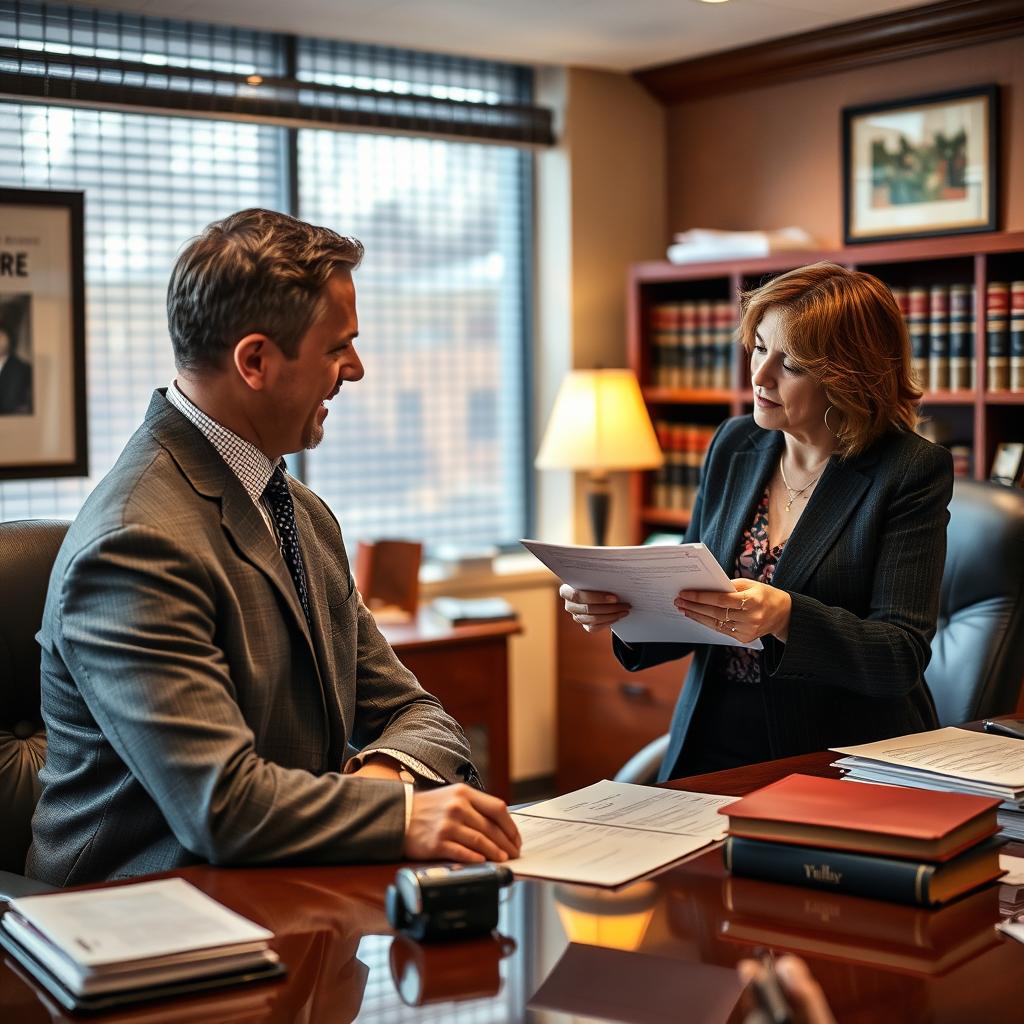
Toxic Exposure Lawyer Howard County, MD
Exposure to hazardous chemicals, industrial solvents, lead-based paint, contaminated groundwater, or airborne pollutants can cause serious, long-term injuries. If you have suffered harm from toxic exposure in Howard County, you face not only a medical challenge but a legal one—Maryland applies one of the strictest liability standards in the country. Under the pure contributory negligence rule, if an injured person is found even one percent at fault for their own exposure, they may recover nothing. Building a viable toxic-exposure claim demands careful evidence gathering, detailed experienced attorney analysis, and an understanding of how the courts in Howard County handle complex injury litigation. Mr. Sris and the firm’s Of Counsel attorneys represent individuals in personal injury claims arising from toxic exposure across Maryland, including claims filed in the District Court of MD for Howard County and the Howard County Circuit Court. To request a consultation, call Law Offices Of SRIS, P.C. at (888) 437-7747. Law Offices Of SRIS, P.C. – Advocacy Without Borders.
What Toxic Exposure Means in Howard County
Toxic exposure claims arise when a person comes into contact with a harmful substance—through inhalation, ingestion, skin absorption, or environmental contamination—and that contact causes a diagnosed injury. In Howard County, these cases can involve workplace chemical accidents in the industrial corridors along Route 1, exposure to contaminants in older housing stock in neighborhoods like Ellicott City or Elkridge, or environmental contamination from legacy industrial sites near the Patapsco River. A claim may be brought against manufacturers, property owners, contractors, or multiple responsible parties, depending on how and where the exposure occurred.
Maryland law requires the plaintiff to prove that the defendant’s negligence caused the toxic exposure and the resulting harm. Proving causation often requires scientific evidence: medical records establishing a link between the substance and the specific injury, exposure-level data, and testimony from qualified attorneys in toxicology, occupational medicine, or environmental science. Additionally, Maryland’s contributory negligence rule—codified in case law and reinforced by the state’s common-law tradition—means that the defendant’s legal team will look for any evidence that the injured person contributed to their own exposure. This makes early investigation and prompt legal guidance critical. A claim must be filed within the applicable statute of limitations, which for personal-injury claims in Maryland is generally three years from the date of injury, though the discovery rule may affect the accrual date in latent-exposure cases.
How Mr. Sris and the Firm’s Of Counsel Attorneys Handle Toxic Exposure Cases
Experience handling personal-injury litigation in Maryland courts matters when a case involves scientific evidence and potentially severe injuries. Mr. Sris, who has practiced in Maryland since founding the firm in 1997, and the firm’s Of Counsel attorneys approach toxic exposure claims by first developing a comprehensive factual foundation. That begins with gathering all available records: medical files, employment history, property inspection reports, environmental testing results, and any relevant incident reports from state or local agencies. The legal team works with investigators and experienced attorney consultants to identify the source of the exposure, the responsible parties, and the full extent of the harm.
Once the evidence is assembled, the team evaluates the viability of a claim under Maryland’s contributory negligence standard. If a claim can proceed, the firm often attempts to resolve the matter through pre-suit negotiation with insurers and responsible entities. Many toxic-exposure disputes settle without trial when evidence is strong and damages are well-documented. If a resolution cannot be reached, the firm prepares the case for litigation in the appropriate Howard County court—the District Court for claims within its jurisdictional limit, or the Circuit Court for claims exceeding that limit. Throughout the process, the firm works with medical lien holders and coordinates with health-care providers to manage outstanding bills while the case is pending. The timeline for a toxic-exposure lawsuit depends on several factors, including the complexity of the medical issues, the number of defendants, and the court’s calendar.
About Mr. Sris and the Firm’s Of Counsel Attorneys
Mr. Sris, Owner and Founder of Law Offices Of SRIS, P.C., established the firm in 1997. A former prosecutor, he brings a background in case construction and courtroom advocacy to every matter the firm handles. Mr. Sris is admitted to practice in Virginia, Maryland, the District of Columbia, New Jersey, and New York. He has concentrated his practice on representing individuals in personal injury and civil litigation across multiple jurisdictions, including the Maryland courts where Howard County claims are heard.
The firm’s Of Counsel attorneys are experienced litigators who handle a wide range of personal injury matters. Together with Mr. Sris, they bring a depth of courtroom experience to toxic-exposure litigation. The firm focuses on preparing each case with the thoroughness that complex causation claims require, retaining qualified attorneys and building a record designed to withstand the scrutiny that contributory negligence standards impose. To discuss a potential toxic-exposure claim with Mr. Sris and the firm’s Of Counsel attorneys, call (888) 437-7747.
Frequently Asked Questions
What is the statute of limitations for a toxic-exposure claim in Howard County, Maryland?
In Maryland, personal-injury claims, including toxic-exposure cases, must generally be filed within three years from the date of injury. However, toxic-exposure injuries often manifest years after the initial contact with the harmful substance. Maryland courts may apply a discovery rule that delays the running of the statute of limitations until the injured person knew or reasonably should have known of the injury and its cause. Because the accrual date is highly fact-dependent, requesting a consultation with an attorney promptly is important to preserve your rights.
Is Maryland a contributory negligence state, and how does that affect a toxic-exposure claim?
Yes; Maryland is one of only a handful of states that apply pure contributory negligence, meaning that if the injured person is found to be even one percent at fault for the toxic exposure, they are completely barred from recovering damages. This strict rule makes evidence preservation and thorough investigation essential from the outset. The defendant’s insurance carrier will scrutinize whether the injured person ignored safety warnings, failed to use protective equipment, or disregarded known hazards. Mr. Sris and the firm’s Of Counsel attorneys evaluate contributory-negligence risk early in every case to assess the viability of the claim.
What types of toxic-exposure cases does the firm handle?
The firm represents clients in a variety of toxic-exposure matters, including claims involving industrial chemicals, mold contamination, carbon monoxide poisoning, lead-based paint exposure, and hazardous substances encountered at work or in residential settings. Each type of case requires a different set of attorneys and a tailored legal strategy. The firm evaluates cases based on the strength of the medical evidence, the identity of responsible parties, and the availability of insurance or other sources of recovery.
How do I prove that a toxic substance caused my injury?
Proving causation in a toxic-exposure claim typically requires medical records that document a diagnosed condition, testimony from a qualified medical experienced attorney who can link the condition to the specific substance, and evidence of the level and duration of exposure. Expert witnesses in fields such as toxicology, epidemiology, or occupational health play a central role. The firm works with attorneys to develop the scientific foundation of the claim. Because toxic-exposure proof can be challenging, it is important to work with an attorney who has experience managing litigation that depends on experienced attorney evidence.
What should I do if I believe I have been exposed to a hazardous substance in Howard County?
Seek appropriate medical attention first and follow your health-care provider’s guidance for testing and treatment. Document your symptoms and any known sources of exposure, including work assignments, building conditions, or environmental contamination events. If possible, collect photographs, product labels, safety data sheets, and any communications that reference the hazardous material. Then contact an attorney who can help you assess whether you may have a viable claim under Maryland law.
For additional questions or to discuss a potential claim, reach Law Offices Of SRIS, P.C. at (888) 437-7747.
Also serving personal-injury clients in nearby Maryland counties: Montgomery County, Prince George’s County, Anne Arundel County, Frederick County, and Baltimore County.
For official legal references and public safety resources, visit the Maryland Courts website, access the Maryland Code online, or review environmental exposure information through the Maryland Department of the Environment.
Attorney advertising. Prior results do not guarantee a similar outcome. Results may vary.
Case results depend on a variety of factors unique to each case.