
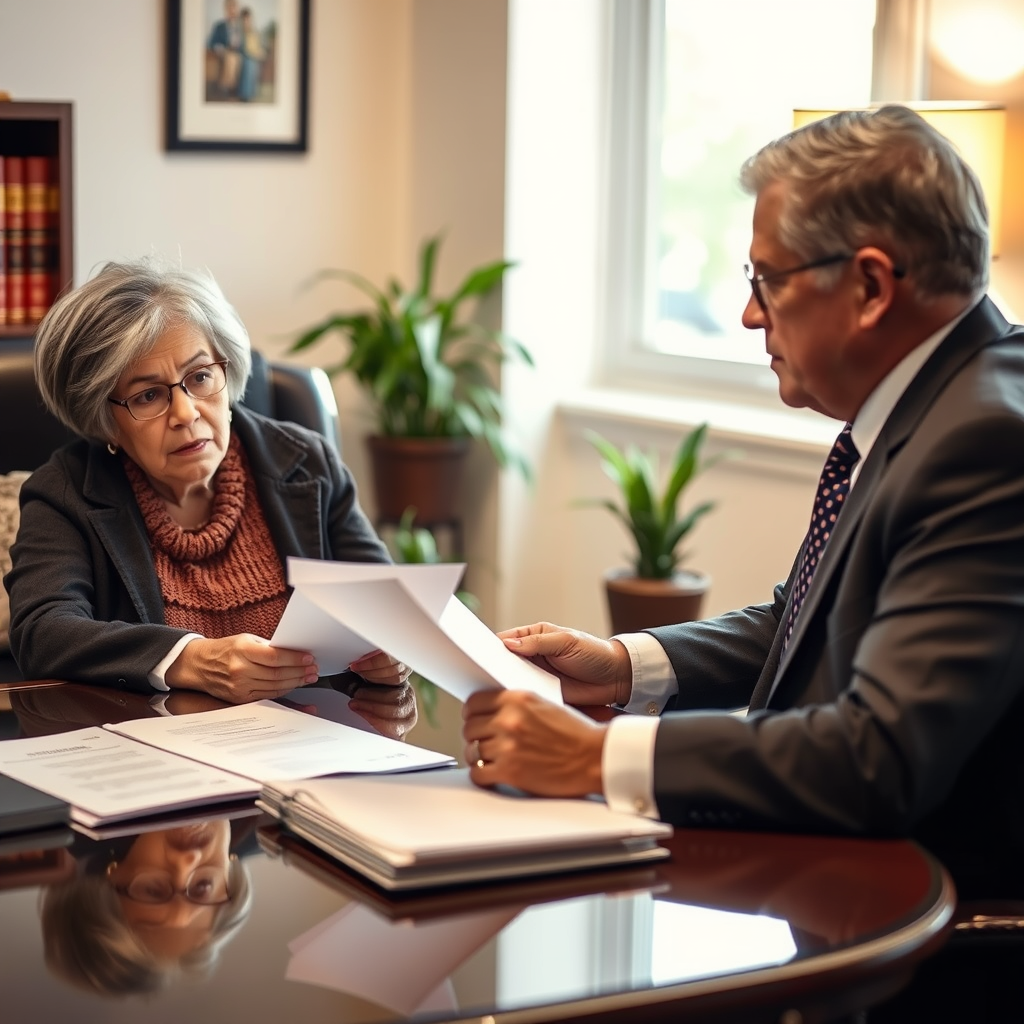
Maryland Nursing Home Abuse Lawyer: Protecting Your Loved Ones
As of December 2025, the following information applies. In Maryland, nursing home abuse involves various forms of harm inflicted upon vulnerable residents, from physical injury to neglect and financial exploitation. If you suspect a loved one is experiencing elder abuse, acting swiftly is vital to ensure their safety and hold responsible parties accountable. The Law Offices Of SRIS, P.C. provides dedicated legal defense for these matters.
Confirmed by Law Offices Of SRIS, P.C.
What is Nursing Home Abuse in Maryland?
Nursing home abuse in Maryland isn’t just one thing; it’s a painful reality where vulnerable elderly residents, often those who can’t speak up for themselves, suffer harm while under the care of a facility. It encompasses a range of harmful actions or inactions. Think about it: a nursing home has a core responsibility to care for its residents. When that trust is broken, whether through direct harm or neglect, it constitutes abuse. This isn’t just about physical violence, though that’s certainly a part of it. It also includes emotional torment, sexual abuse, financial exploitation, and even simple but devastating neglect that leads to severe health issues. These acts can come from staff members, other residents, or even visitors, but ultimately, the facility often bears responsibility for failing to prevent such harm.
For example, imagine your loved one suddenly has unexplained bruises, seems withdrawn, or you notice their personal belongings are missing. These aren’t just minor incidents; they’re potential red flags for something far more serious. Neglect, a pervasive form of abuse, can manifest as bedsores, dehydration, malnutrition, or unmanaged medical conditions due to a lack of proper attention. It’s when a facility simply isn’t providing the basic care your family member needs and deserves. Understanding these different forms is the first step toward recognizing and addressing the problem head-on.
When we send our elderly family members to a nursing home, we’re placing an immense amount of trust in that institution. We believe they will provide a safe, nurturing environment where our loved ones will be cared for with dignity and respect. But sometimes, that trust is shattered. The term “nursing home abuse” can feel heavy, even overwhelming, but getting a clear picture of what it truly means in Maryland can empower you to protect those who matter most.
Defining the Different Shades of Abuse and Neglect
Nursing home abuse isn’t a single, monolithic issue. It has many faces, each inflicting its own unique pain and suffering. Being able to identify these different forms is key to knowing what you’re up against and how to address it. Let’s break down the common categories:
- Physical Abuse: This is what most people picture immediately – hitting, slapping, pushing, or any intentional act causing bodily injury or pain. It can also include inappropriate restraint, like tying a resident to a bed or chair without medical justification. Signs might be visible bruises, broken bones, or unexplained injuries.
- Emotional or Psychological Abuse: Often less visible but equally damaging, this includes yelling, humiliating, threatening, isolating, or terrorizing a resident. It can lead to severe emotional distress, anxiety, depression, and withdrawal. You might notice a sudden change in your loved one’s personality or mood.
- Sexual Abuse: Any non-consensual sexual contact of any kind. This is a horrific violation and requires immediate intervention. Signs can be physical injuries in sensitive areas, sexually transmitted diseases, or a sudden fear of a particular caregiver.
- Neglect: This isn’t intentional harm but rather a failure to provide necessary care. It’s often the most prevalent form of abuse. It includes ignoring hygiene needs, failing to provide adequate food and water, not administering medication, or leaving a resident unattended for long periods. Consequences can range from bedsores and dehydration to infections and untreated medical conditions.
- Financial Exploitation: This happens when a caregiver or facility staff member illegally or improperly uses a resident’s money, property, or assets for their own benefit. This could involve unauthorized withdrawals, coerced changes to wills, or outright theft. Keep an eye on bank statements and property records.
Understanding these distinctions is essential. Abuse isn’t always a dramatic, visible event. Sometimes, it’s a slow, insidious erosion of a person’s well-being due to consistent neglect or subtle manipulation. Regardless of its form, the impact on a vulnerable elder is devastating, and Maryland law provides avenues for accountability.
The Vulnerability Factor: Why Nursing Home Residents are At Risk
It’s important to remember that nursing home residents are, by their very nature, often in a highly vulnerable position. Many suffer from cognitive impairments like dementia or Alzheimer’s, making it difficult or impossible for them to communicate what’s happening to them. Others might have physical disabilities that prevent them from escaping harmful situations or even calling for help. This dependency on caregivers for their basic needs, combined with potential communication barriers, creates an environment where abuse can unfortunately thrive if not carefully monitored.
Add to this the potential for understaffing, inadequate training, or a high turnover rate among caregivers in some facilities. When staff are overworked, poorly supervised, or simply not fit for the immense responsibility of caring for the elderly, the risk of neglect and abuse skyrockets. It’s a systemic issue that impacts individuals deeply. Recognizing these risk factors helps us understand why vigilance from family members and quick action from legal professionals are so critical in these cases.
Takeaway Summary: Nursing home abuse in Maryland encompasses physical, emotional, sexual, financial, and neglect, often affecting vulnerable residents who depend entirely on their caregivers. (Confirmed by Law Offices Of SRIS, P.C.)
How to Report Nursing Home Abuse in Maryland?
Discovering that a loved one might be suffering from nursing home abuse or neglect is an incredibly distressing experience. Your first instinct is likely to protect them and ensure their safety. But what’s the right way to go about it? In Maryland, there’s a process, and following it can make all the difference in achieving justice and preventing further harm. This isn’t a time for hesitation; it’s a time for decisive, informed action. Getting through this process can feel overwhelming, but remember, you don’t have to face it alone.
-
Prioritize Immediate Safety & Document Everything
Your absolute first step is to ensure your loved one is safe from immediate harm. If the abuse is ongoing or severe, you might need to move them to a different room, a different facility, or even remove them temporarily. Simultaneously, start documenting everything you observe. This means taking clear photos of any injuries, unsanitary conditions, or signs of neglect like bedsores or poor hygiene. Keep a detailed journal with dates, times, and descriptions of incidents, conversations with staff, and changes in your loved one’s behavior or health. Save all medical records, financial statements, and any communication with the nursing home. The more evidence you collect early on, the stronger your position will be later.
Real-Talk Aside: It can feel like you’re playing detective, and honestly, you kind of are. But this meticulous documentation is your most powerful tool. Don’t worry about being too detailed; often, the small things connect to paint a larger picture of neglect or abuse.
-
Report to the Nursing Home Administration
Once immediate safety is addressed and you’ve documented initial concerns, formally report the abuse or neglect to the nursing home’s administration. Speak with the director of nursing, the facility administrator, or the social worker. It’s often best to do this in writing, even if you have an initial verbal discussion. This creates a record. Clearly state your concerns, provide specific examples, and demand an investigation. Ask about their internal grievance procedures and insist on a prompt response. Keep copies of all correspondence and notes from your meetings. Many facilities have a legal obligation to investigate reported complaints internally.
Blunt Truth: While some facilities will genuinely take your concerns seriously, others might try to downplay or dismiss them. Don’t let that deter you. This step is about putting them on notice and creating an official record of your attempt to resolve the issue internally.
-
Contact the Maryland Office of Health Care Quality (OHCQ)
The Maryland Office of Health Care Quality (OHCQ) is the state agency responsible for licensing and regulating nursing homes. They investigate complaints of abuse, neglect, and violations of resident rights. You can file a complaint with them, and they will conduct an independent investigation. Their involvement is critical because they have the authority to issue citations, impose fines, and even suspend or revoke a facility’s license. Provide them with all the documentation you’ve gathered. You can find their contact information on the Maryland Department of Health website.
Real-Talk Aside: The OHCQ is your state watchdog. Their investigations are often thorough, but they can take time. Be patient, provide them with everything you have, and follow up periodically. Their findings can be incredibly valuable in any subsequent legal action.
-
Report to Adult Protective Services (APS)
If you suspect elder abuse, neglect, or exploitation, you should also contact Adult Protective Services (APS) in Maryland. APS investigates reports of vulnerable adults who are unable to protect themselves from abuse, neglect, self-neglect, or exploitation. They can intervene to ensure the safety and well-being of the adult. Their focus is on protecting the individual, and they can coordinate with law enforcement if criminal activity is suspected. Each county in Maryland has an APS unit, which you can typically reach through your local Department of Social Services.
Blunt Truth: APS is another layer of protection, particularly when an elder is severely impaired or isolated. Their mission is to safeguard the vulnerable, which aligns perfectly with your goals for your loved one.
-
Seek Legal Counsel: Engage a Maryland Nursing Home Abuse Attorney
While reporting to state agencies is vital, it’s often not enough to secure full justice or compensation for the harm suffered. This is where engaging seasoned legal counsel becomes critical. A Maryland nursing home abuse attorney can help you understand the complexities of the law, conduct an independent investigation, gather crucial evidence (like staffing records, medical charts, and expert witness testimony), and build a compelling case. They can defend your loved one’s rights in court, negotiate with the nursing home’s legal team, and fight for the compensation needed for medical care, pain and suffering, and other damages. Don’t delay in seeking a confidential case review; there are strict time limits (statutes of limitations) for filing lawsuits.
Real-Talk Aside: You might feel hesitant to involve lawyers, thinking it’s too aggressive. But remember, nursing homes have their own legal teams. You need someone on your side who speaks their language and knows how to protect your interests. This isn’t just about money; it’s about accountability and ensuring this doesn’t happen to another family.
Following these steps systematically can help you protect your loved one, hold negligent parties accountable, and potentially contribute to improving the safety standards in nursing homes across Maryland. Each action builds on the last, creating a comprehensive approach to a deeply troubling situation.
Can I Sue a Nursing Home for Negligence in Maryland?
The short answer is yes, you absolutely can sue a nursing home for negligence in Maryland. When a nursing home fails in its duty to provide reasonable care, and that failure causes injury or harm to a resident, it constitutes negligence. This isn’t a hypothetical situation; it’s a legal avenue designed to protect vulnerable elders and ensure accountability within the care industry. The decision to pursue a lawsuit is a significant one, often driven by the desire for justice, the need to cover extensive medical bills, and the hope of preventing similar tragedies from befalling other families. It’s about standing up for your loved one when they can no longer stand up for themselves.
Understanding the Pillars of a Negligence Claim
To successfully sue a nursing home for negligence in Maryland, your legal team will typically need to prove four key elements:
- Duty of Care: This is a given. Nursing homes and their staff have a legal and ethical duty to provide a certain standard of care to their residents. This includes providing adequate supervision, medical attention, food, water, hygiene, and a safe environment.
- Breach of Duty: This means the nursing home or its staff failed to meet that established standard of care. Examples include understaffing, inadequate training, failing to monitor a resident’s health, ignoring call lights, or not following doctor’s orders. This breach is often the core of the argument, demonstrating where the facility went wrong.
- Causation: You must show a direct link between the nursing home’s breach of duty and the injury or harm suffered by your loved one. For instance, if neglect led to bedsores that became infected, causing further medical complications, the causation is clear. It’s proving that “because they did X, Y happened.”
- Damages: Finally, you must demonstrate that your loved one suffered actual damages as a result of the negligence. This can include physical injuries, medical expenses, pain and suffering, emotional distress, and in tragic cases, wrongful death.
Establishing these elements requires a thorough investigation, often involving expert medical testimony, detailed review of medical records, and witness accounts. It’s not always straightforward, but with the right legal support, it is achievable.
Types of Damages You Might Recover
If your lawsuit is successful, you could recover various types of damages designed to compensate for the harm caused. These can include:
- Economic Damages: These are quantifiable financial losses, such as past and future medical expenses (hospital bills, medications, therapy), rehabilitation costs, funeral expenses in wrongful death cases, and potentially other out-of-pocket costs related to the abuse or neglect.
- Non-Economic Damages: These are less tangible but often more profound. They include compensation for your loved one’s pain and suffering, emotional distress, loss of enjoyment of life, disfigurement, and mental anguish.
- Punitive Damages: In cases where the nursing home’s conduct was exceptionally reckless, malicious, or demonstrated a wanton disregard for the resident’s safety, a court might award punitive damages. These aren’t meant to compensate the victim but rather to punish the wrongdoer and deter similar conduct in the future. They send a strong message that such behavior is unacceptable.
The specific damages available will depend heavily on the unique circumstances of your case and the extent of the harm suffered. An experienced elder abuse attorney can help you assess the full scope of potential recovery.
The Maryland Statute of Limitations: Time is Not on Your Side
One of the most critical aspects of pursuing a nursing home negligence claim in Maryland is understanding the statute of limitations. This is a strict legal deadline for filing a lawsuit. In Maryland, for most personal injury cases, including nursing home negligence, you generally have three years from the date the injury occurred or was discovered to file a lawsuit. If you miss this deadline, you will likely lose your right to pursue compensation, regardless of how strong your case is. There can be exceptions, particularly if the abuse was hidden or the victim was incapacitated, but these are complex and require immediate legal review.
Blunt Truth: The clock starts ticking earlier than you might think. Don’t delay seeking legal advice, even if you’re unsure. A confidential case review can clarify your timeline and options without any commitment.
The Emotional Toll and The Need for Advocacy
Beyond the legal and financial aspects, dealing with nursing home abuse takes a tremendous emotional toll on families. The guilt, anger, frustration, and sadness can be overwhelming. Pursuing a lawsuit can feel like an additional burden. However, having dedicated legal counsel means you don’t have to carry that burden alone. An attorney can take on the legal heavy lifting, allowing you to focus on your loved one’s well-being and emotional recovery. They act as your advocate, navigating the legal system, dealing with the nursing home’s lawyers, and fighting relentlessly for the justice your family deserves.
In conclusion, while suing a nursing home for negligence in Maryland is a serious undertaking, it is a vital mechanism for accountability and recovery. With a clear understanding of the legal requirements and the support of knowledgeable legal counsel, families can seek justice and ensure their loved ones are protected.
Why Hire Law Offices Of SRIS, P.C. for Nursing Home Abuse in Maryland?
When your loved one has suffered abuse or neglect in a Maryland nursing home, you need more than just legal representation; you need a steadfast advocate who understands the emotional weight of your situation and possesses the seasoned legal insight to fight for justice. That’s precisely what you’ll find at the Law Offices Of SRIS, P.C.
Mr. Sris, the founder of our firm, embodies this dedication. He states, “My focus since founding the firm in 1997 has always been directed towards personally managing the most challenging matters our clients face.” This commitment to personal attention and tackling tough cases is at the core of our approach to nursing home abuse claims.
We know that these cases aren’t just about legal documents; they’re about protecting the most vulnerable among us. We approach each situation with empathy, a direct communication style, and a reassuring presence, guiding you through every step of a process that can feel incredibly daunting. You don’t need a lawyer who talks in circles; you need someone who gives you the real talk, clarifies your options, and outlines a clear path forward.
Our Knowledgeable Approach to Maryland Nursing Home Negligence
Successfully defending clients in nursing home abuse cases requires more than just general legal knowledge. It demands an understanding of Maryland’s specific laws and regulations pertaining to elder care, a keen eye for identifying subtle signs of abuse and neglect, and the ability to effectively challenge the often well-resourced legal teams of large nursing home corporations. Our team is experienced in investigating these complex cases, meticulously gathering evidence, and building compelling arguments.
We understand the common tactics nursing homes use to deflect blame and minimize their liability. We know how to obtain crucial documents like staffing records, incident reports, and medical charts, and how to work with medical experts to demonstrate the link between neglect and injury. Our goal is not just to file a lawsuit, but to strategically position your case for the best possible outcome, whether that’s through aggressive negotiation or, if necessary, taking your case to trial.
A Partner in Your Pursuit of Justice
The journey through a nursing home abuse claim can be long and emotionally draining. You shouldn’t have to navigate it alone. We pride ourselves on being accessible, responsive, and always putting our clients’ best interests first. We’ll handle the legal burdens, allowing you to focus on your loved one’s recovery and well-being.
When you choose the Law Offices Of SRIS, P.C., you’re not just getting legal representation; you’re gaining a partner who will stand by you and fight fiercely for your family’s rights. We offer a confidential case review to discuss your unique situation, assess the merits of your claim, and explain your legal options without obligation.
If you suspect nursing home abuse or negligence in Maryland, don’t wait. Reach out to us. We’re here to listen, to advise, and to act.
Law Offices Of SRIS, P.C. has locations in Rockville, Maryland:
199 E. Montgomery Avenue, Suite 100, Room 211, Rockville, MD 20850
Phone: +1-888-437-7747
Call now for a confidential case review.
Frequently Asked Questions About Nursing Home Abuse in Maryland
Q: What are the most common signs of nursing home neglect?
A: Common signs include bedsores, unexplained weight loss, dehydration, poor hygiene, frequent infections, untreated medical conditions, falls, and visible fear or anxiety around staff. Any sudden changes in a loved one’s health or behavior warrant immediate investigation and concern.
Q: How quickly should I report suspected nursing home abuse?
A: You should report suspected abuse immediately. Prompt reporting ensures the safety of your loved one and preserves crucial evidence. Delays can complicate investigations and may impact legal timelines. Act quickly if you have concerns.
Q: Can I remain anonymous when reporting nursing home abuse?
A: Yes, in many cases, you can remain anonymous when reporting to state agencies like the OHCQ or APS. However, providing your contact information can be helpful if investigators need further details. Discuss anonymity options with the reporting agency.
Q: What evidence is important in a nursing home abuse case?
A: Key evidence includes medical records, photos/videos of injuries or conditions, detailed incident logs, witness statements, communication with staff, financial records (for exploitation), and expert medical testimony. Comprehensive documentation strengthens your claim considerably.
Q: How much does it cost to hire a nursing home abuse lawyer in Maryland?
A: Many nursing home abuse lawyers work on a contingency fee basis. This means you don’t pay upfront legal fees; instead, the attorney’s fees are a percentage of any settlement or award you receive. This arrangement ensures access to justice.
Q: What is the difference between nursing home abuse and neglect?
A: Abuse is intentional harm (physical, emotional, sexual, financial). Neglect is a failure to provide necessary care, leading to harm, often due to carelessness or understaffing. Both can result in severe injuries and legal liability for the facility.
Q: What are residents’ rights in Maryland nursing homes?
A: Residents have rights to dignity, respect, privacy, proper medical care, freedom from abuse/neglect, and the right to complain without retaliation. Facilities must inform residents of these rights, and violations are serious.
Q: Can a nursing home retaliate against a resident or family for reporting abuse?
A: No. Retaliation is illegal. Federal and state laws protect residents and their families from retaliation for reporting concerns or filing complaints. If you experience retaliation, report it immediately to state agencies and your attorney.
Q: How long do nursing home abuse cases typically take?
A: The duration of a nursing home abuse case varies significantly based on complexity, evidence, and whether it settles or goes to trial. It can range from several months to a few years. An attorney can provide a more tailored estimate for your specific situation.
Q: What should I do if my loved one dies due to nursing home negligence?
A: If you believe negligence caused your loved one’s death, immediately contact a Maryland nursing home abuse attorney. You may have a wrongful death claim, which has specific legal requirements and timelines. Seek legal advice promptly.
The Law Offices Of SRIS, P.C. has locations in Virginia in Fairfax, Loudoun, Arlington, Shenandoah and Richmond. In Maryland, our location is in Rockville. In New York, we have a location in Buffalo. In New Jersey, we have a location in Tinton Falls.
Past results do not predict future outcomes.