
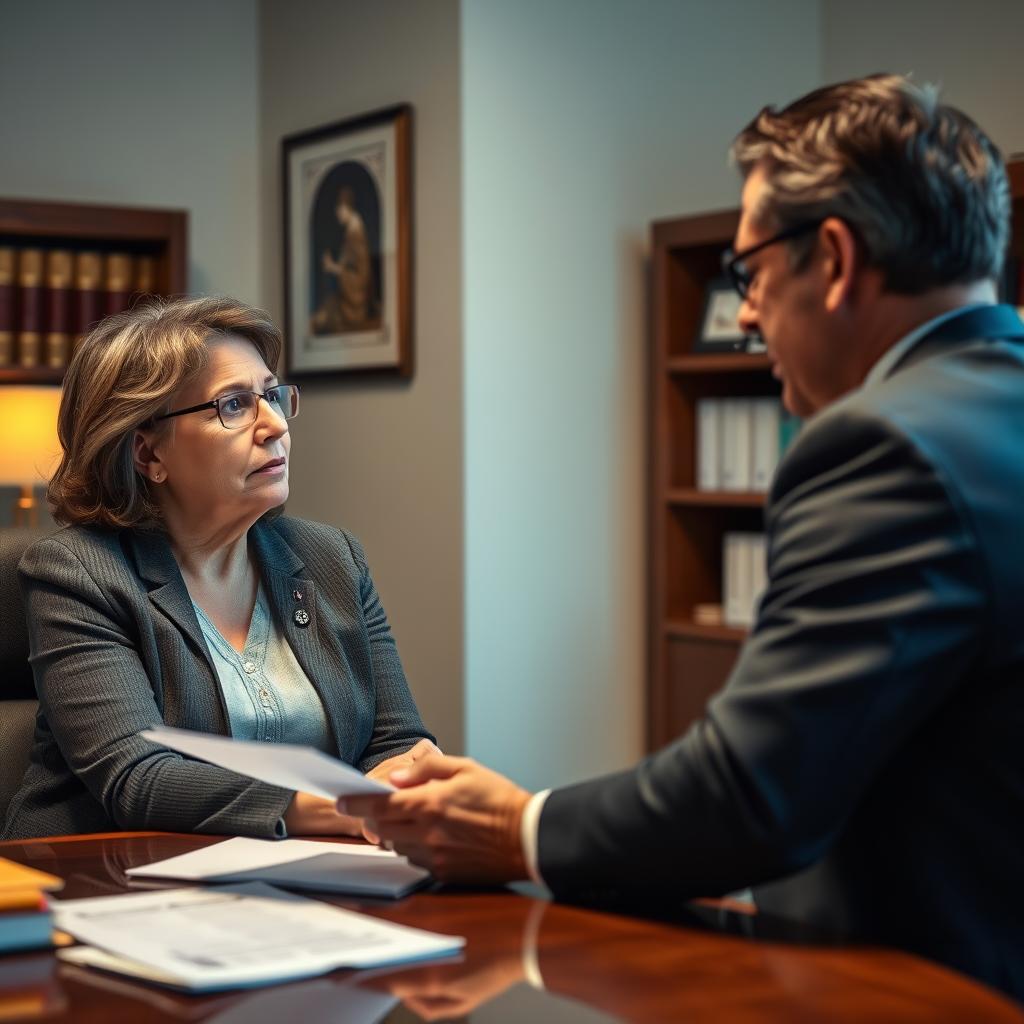
Nursing Home Abuse Lawyer Prince George’s County, MD
When a loved one suffers harm in a long-term care facility, families in Prince George’s County need clear answers and experienced legal guidance. Nursing home abuse cases require an understanding of both the medical and legal landscapes — and the ability to act promptly under Maryland’s strict civil claim deadlines. Law Offices Of SRIS, P.C. brings multi-state experience and a deep familiarity with Prince George’s County courts to these sensitive matters. Maryland’s contributory negligence rule adds a layer of urgency: if the injured party is found even one percent at fault, recovery is barred. This makes thorough investigation and careful evidence preservation critical from the outset. Our firm works with medical experts, investigators, and other professionals to build a complete picture of what occurred. Claims may be filed in the District Court of Maryland for Prince George’s County or the Prince George’s County Circuit Court, depending on the amount in controversy. For a consultation about your situation, reach Law Offices Of SRIS, P.C. at (888) 437-7747. Law Offices Of SRIS, P.C. – Advocacy Without Borders.
What Nursing Home Abuse Means in Prince George’s County
Nursing home abuse encompasses a range of harmful conduct — physical, emotional, financial, and neglect-based — that occurs in skilled nursing facilities, assisted living centers, and other residential care settings. Under Maryland law, these claims are civil personal-injury actions governed by the same statutes of limitations and procedural rules that apply to other injury cases. For residents of Prince George’s County, that means the three-year limit under Maryland Code, Courts and Judicial Proceedings Article § 5-101 runs from the date of the injury. Failing to file within that window extinguishes the right to seek compensation.
Maryland’s contributory negligence standard makes nursing home abuse litigation particularly demanding. The state remains one of only a handful nationwide that bars recovery entirely if the plaintiff is even minimally at fault. A facility may argue that the resident contributed to the incident through non-compliance or pre-existing conditions. Because of this, the ability to document facility failures, preserve incident reports, and secure witness statements early is essential. The District Court of Maryland for Prince George’s County, located at the Upper Marlboro courthouse, handles claims involving amounts up to the applicable jurisdictional limit, while the Circuit Court for Prince George’s County hears claims exceeding that limit. Our team understands these local venues and the procedural requirements they impose.
How Mr. Sris and His Of Counsel Handle Nursing Home Abuse Cases
Mr. Sris and his Of Counsel take a methodical approach to nursing home abuse claims. The process begins with a comprehensive review of available records — nursing notes, incident reports, staffing logs, and relevant facility policies. We then work with medical experts and other professionals to evaluate the nature and extent of the harm and to determine whether it resulted from actionable neglect or abuse. Throughout, our focus is on building a case that can withstand the scrutiny Maryland’s contributory negligence rule demands.
If the investigation supports a claim, we prepare a pre-suit demand package or file a complaint in the appropriate Prince George’s County court. Our Of Counsel team includes an attorney who served as an Assistant State’s Attorney in Maryland, bringing firsthand prosecutorial insight to evidence assessment and case development. While the timeline varies by case complexity and court scheduling, we remain in regular communication with clients so they understand where their matter stands. Because nursing home abuse claims involve both emotional and financial stakes, we work toward outcomes that address both the client’s immediate needs and long-term security.
About Mr. Sris and His Of Counsel Team
Mr. Sris, Owner and Founder of Law Offices Of SRIS, P.C., has been practicing law since 1997. A former prosecutor, he is admitted in Virginia, Maryland, the District of Columbia, New Jersey, and New York. His multi-state experience gives him a broad perspective on nursing home abuse litigation, from insurance-coverage analysis to trial strategy. The firm’s Of Counsel team — attorneys engaged through Excella — complements his background with a range of litigation skills and jurisdictional knowledge that benefits clients in Prince George’s County and throughout Maryland.
Central to the team’s approach is a commitment to thorough, fact-driven representation. The Of Counsel group includes a former Maryland Assistant State’s Attorney whose prosecutorial experience provides valuable insight into building and challenging evidence. This collective knowledge helps the firm address the unique challenges of nursing home abuse cases, including medical experienced attorney retention, facility-defense tactics, and navigating the interplay between state and federal regulations that govern long-term care. For a consultation, call (888) 437-7747.
Frequently Asked Questions
What is the statute of limitations for nursing home abuse in Maryland?
Nursing home abuse claims in Maryland must generally be filed within three years of the date of the injury. This period is set by Maryland Code, Courts and Judicial Proceedings Article § 5-101. The clock begins when the injury occurs, not when it is discovered, though in some cases the discovery rule may affect accrual. Because the three-year window can pass quickly, it is important to consult with counsel as soon as possible after abuse is suspected. A late filing can result in the claim being permanently barred. For claims involving wrongful death, a separate three-year limitation applies under Maryland Code, Courts and Judicial Proceedings Article § 3-904(g).
Is Maryland a contributory negligence state, and how does that affect a nursing home abuse case?
Yes, Maryland follows the contributory negligence rule — if the plaintiff is found even one percent at fault for the injury, recovery is barred entirely. Maryland is one of only four states and the District of Columbia to apply this strict standard. In nursing home abuse litigation, a facility may argue that a resident’s actions contributed to the harm, such as failing to follow care instructions or attempting an unsafe activity. An experienced attorney works to counter these arguments by gathering objective evidence, including facility logs, staffing records, and experienced attorney opinions, to show that the facility’s failures were the primary cause of the harm.
What types of nursing home abuse are common in Prince George’s County?
Frequent forms of nursing home abuse include physical harm, emotional mistreatment, financial exploitation, and neglect. Physical abuse may involve hitting, improper restraint, or excessive medication. Emotional abuse can take the form of verbal intimidation, isolation, or humiliation. Financial exploitation includes unauthorized use of a resident’s funds or property. Neglect — such as failing to provide adequate nutrition, hydration, hygiene, or medical attention — is among the most common claims. Any of these can give rise to a civil action for damages, and many involve overlapping state and federal regulations that affect how a case is investigated and litigated.
How can a lawyer help with a nursing home abuse case?
An attorney can investigate the claim, collect and preserve key evidence, retain medical and nursing attorneys, and negotiate with the facility’s insurance carrier. In complex cases, the lawyer may also identify responsible parties beyond the facility, such as a parent company or third-party contractor. If a fair settlement cannot be reached, the attorney files suit in the appropriate Prince George’s County court and guides the case through discovery, motion practice, and trial if needed. Having counsel who understands Maryland’s contributory negligence rule is particularly important, because early missteps can jeopardize the entire claim.
Do I need a lawyer for a nursing home abuse claim, or can I handle it myself?
You are not required to have a lawyer, but pursuing a nursing home abuse claim without legal representation carries significant risks. Maryland’s pure contributory negligence rule is unforgiving, and nursing-home defendants are typically represented by experienced defense counsel. A lawyer can level the playing field by identifying viable claims, securing expert testimony, and ensuring that all procedural deadlines are met. Self-represented litigants may inadvertently say or do something that the facility uses to argue contributory fault, barring recovery. The guidance of an experienced attorney can help avoid those pitfalls.
How do I start a nursing home abuse case in Prince George’s County?
Begin by requesting a consultation with a personal-injury attorney who handles nursing home abuse matters. During that initial conversation, you can describe what happened, share any records you have, and ask about the attorney’s experience with similar cases. If counsel believes there is a viable claim, the next steps typically involve gathering medical records, incident reports, and witness statements, and then preparing a demand or filing suit in the appropriate Prince George’s County court. To discuss your situation, call Law Offices Of SRIS, P.C. at (888) 437-7747. Early action helps preserve evidence and rights.
Our firm also represents clients in nearby Maryland counties. Learn more about our personal injury services in Montgomery County, Howard County, Anne Arundel County, Frederick County, and Baltimore County.
Additional Resources
For further reading, you may consult the Maryland statute of limitations for civil actions, the District Court of Maryland for Prince George’s County, and the Maryland Attorney General’s Medicaid Fraud Control Unit, which investigates certain types of patient abuse and neglect.
Attorney advertising. Prior results do not guarantee a similar outcome.
Case results depend on a variety of factors unique to each case.