
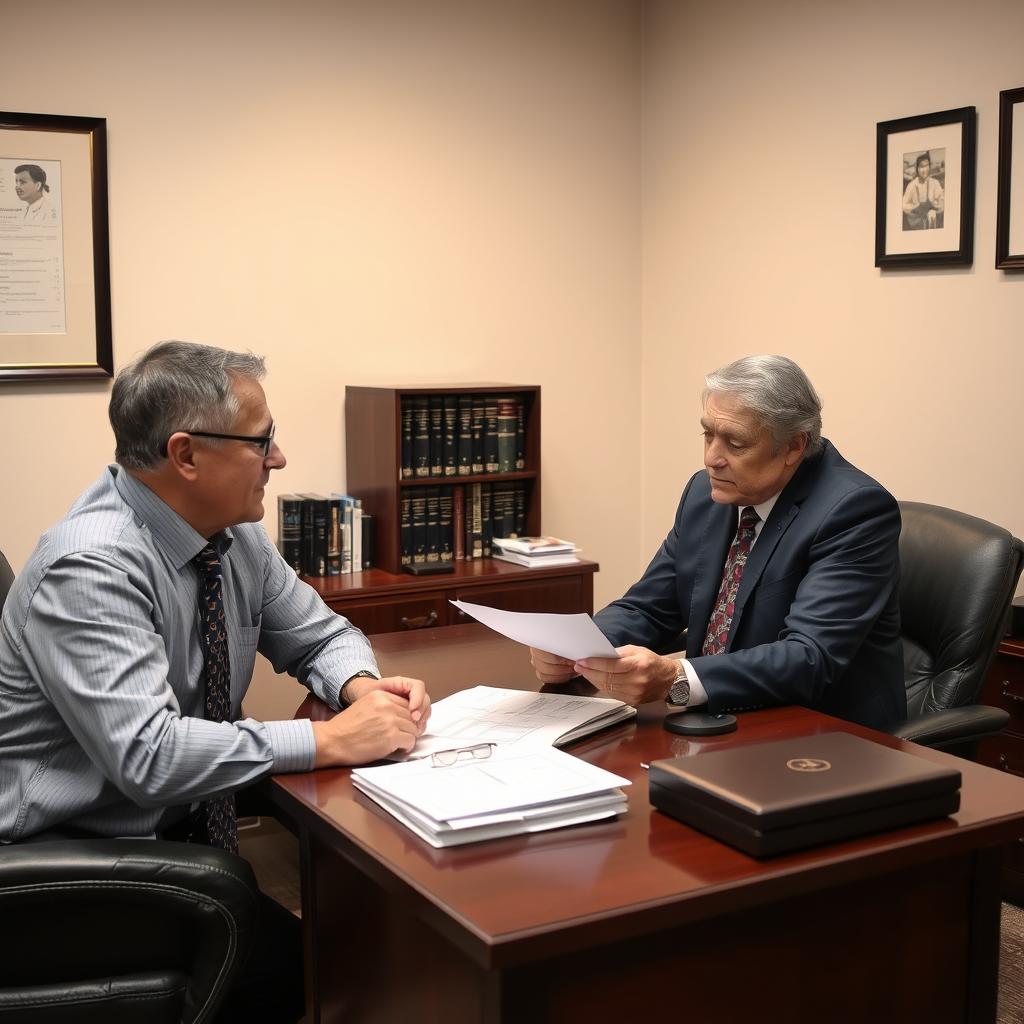
Paralysis Injury Lawyer Montgomery County, VA
A paralysis injury changes every aspect of life—physical mobility, financial security, and long‑term care needs. In Virginia, the legal landscape adds a layer of complexity that makes experienced counsel essential: the commonwealth operates under a pure contributory negligence rule. If an injured person is found even one percent at fault for the accident, Virginia law bars any recovery. For a paralysis claim—where damages may include lifetime medical care, lost earning capacity, home modifications, and pain and suffering—the stakes are especially high. Law Offices Of SRIS, P.C. Concentrates its practice on personal injury matters in Montgomery County, including the communities of Christiansburg, Blacksburg, Riner, Shawsville, and Elliston. Contact the firm at (888) 437‑7747 to schedule a consultation. Law Offices Of SRIS, P.C. – Advocacy Without Borders.
What Personal Injury Means in Montgomery County
Montgomery County lies in Southwest Virginia, anchored by Christiansburg and Blacksburg. Personal injury claims arising in the county are filed in Montgomery County Circuit Court at 55 East Main Street, Third Floor, Christiansburg, VA 24073. The General District Court handles matters up to a statutory limit, while claims above that threshold proceed in Circuit Court. Regardless of the court, Virginia’s contributory negligence standard controls the outcome: if the defense can show any fault by the plaintiff, the case cannot proceed. For a paralysis injury—often the result of a motor‑vehicle crash, a premises hazard, or a defective product—the burden of proving the defendant’s sole liability is significant.
Personal‑injury claims in Virginia must be filed within two years from the date of injury (Va. Code § 8.01‑243(A)).
Source: Virginia Code Title 8.01, Chapter 4, § 8.01‑243. Virginia Legislative Information System
Reviewed by Mr. Sris, admitted in VA/MD/DC/NJ/NY.
Virginia does not cap compensatory damages in most personal injury cases; only medical‑malpractice claims are subject to a statutory limit. This means a paralysis injury lawsuit can seek recovery for medical bills, rehabilitation, assistive technology, lost wages, loss of future earning capacity, and non‑economic damages such as pain and suffering. Montgomery County juries sit in Christiansburg, and a detailed understanding of local court practices and the pure contributory negligence defense helps frame the strongest possible presentation. Mr. Sris and his Of Counsel team appear regularly in Montgomery County courts and work to preserve every avenue of compensation under Virginia law.
How Mr. Sris and His Of Counsel Handle Personal Injury Cases
When a serious injury occurs, the initial investigation drives the trajectory of the case. Mr. Sris and his Of Counsel gather medical records, accident‑scene evidence, and witness statements to establish liability and document the full extent of harm. In a paralysis case, this often involves consulting with life‑care planners, vocational attorneys, and economists to project future costs and losses. The firm then prepares a comprehensive demand package for the at‑fault party’s insurer, detailing the claim’s value and the evidence supporting the defendant’s fault. Because Virginia’s contributory negligence rule bars recovery for any percentage of fault by the injured person, the demand must address any potential comparative‑fault arguments the insurer may raise.
If a settlement cannot be reached, the firm is prepared to file a Complaint in Montgomery County Circuit Court and proceed through discovery, including depositions of witnesses, physicians, and liability attorneys. The discovery process allows Mr. Sris and his Of Counsel to test the defense’s version of events and to strengthen the plaintiff’s proof of causation and damages. Throughout the process, the firm advises clients on the likely trajectory of their case, the evidence needed to rebut contributory‑negligence assertions, and the factors that influence a jury’s evaluation of non‑economic losses. The firm’s approach is methodical, focused on preserving the client’s right to full compensation under Virginia law.
About Mr. Sris and His Of Counsel Team
Mr. Sris, Owner and Founder of Law Offices Of SRIS, P.C., established the firm in 1997. He is admitted to practice in Virginia, Maryland, the District of Columbia, New Jersey, and New York, and brings a former prosecutor’s perspective to civil litigation. Mr. Sris testified before the Virginia House Courts of Justice Committee in support of 2019 HB 635 (chief patron Del. David Bulova). He concentrates his practice on complex personal injury matters, including paralysis injury cases, and keeps a manageable caseload to ensure direct involvement in each matter. Working alongside Mr. Sris is an Of Counsel team of experienced attorneys; every member is engaged through Excella and functions as Of Counsel—not as an associate or partner—under the supervision of Mr. Sris.
The firm’s Shenandoah Location serves clients throughout Montgomery County, with meetings by appointment at 505 N Main St, Suite 103, Woodstock, VA 22664. Mr. Sris and his Of Counsel bring extensive legal experience to paralysis injury litigation. Results may vary. Reach the firm at (888) 437‑7747 to request a consultation.
Frequently Asked Questions
What is a paralysis injury claim?
A paralysis injury claim seeks compensation for damages caused by an accident that results in partial or complete loss of motor function. Such injuries often stem from motor‑vehicle collisions, falls, defective products, or workplace incidents. The claim may involve spinal cord damage, quadriplegia, or paraplegia. Because of the catastrophic nature, compensation typically includes past and future medical care, rehabilitation, home modifications, lost earning capacity, and non‑economic losses like pain and suffering. In Virginia, establishing the defendant’s fault while precluding any finding of plaintiff fault is the central challenge.
How does Virginia’s contributory negligence rule affect paralysis injury cases?
Virginia’s pure contributory negligence rule completely bars recovery if the injured person is found even one percent at fault. The defense often argues that the plaintiff was speeding, distracted, or otherwise contributed to the accident. In a paralysis case, where damages are substantial, this rule raises the stakes considerably. An experienced attorney must thoroughly investigate the occurrence to build a record that excludes any suggestion of the plaintiff’s fault. The firm works with accident‑reconstruction attorneys and medical professionals to support a finding of the defendant’s sole negligence.
What damages can be recovered in a paralysis injury case in Montgomery County?
A successful paralysis injury claim in Virginia can recover economic and non‑economic damages, with no statutory cap on most personal‑injury compensatory awards. Economic damages cover medical expenses, rehabilitation, assistive devices, lost wages, and diminished earning capacity. Non‑economic damages include pain and suffering, emotional distress, and loss of enjoyment of life. In some circumstances, punitive damages may be pursued if the defendant’s conduct was willful or wanton. The specific amount depends on the life‑care plan, the plaintiff’s age and occupation, and the jury’s valuation.
What is the statute of limitations for a paralysis injury lawsuit in Virginia?
Under Virginia law, a personal‑injury lawsuit must be filed within two years from the date of injury (Va. Code § 8.01‑243(A)). This limitation period is strictly enforced; missing it will bar the claim permanently. For a paralysis case, the timeline can be especially tight because full medical assessment and life‑care planning take time. It is important to consult counsel promptly so that evidence preservation and investigation begin while memories are fresh and physical evidence remains available.
Do I need a lawyer for a paralysis injury case in Montgomery County?
While no one is required to hire counsel, a paralysis injury case involves complex medical evidence, future‑damage projections, and the harsh contributory‑negligence bar that makes experienced representation critical. The insurance company will have legal teams focused on minimizing payout by alleging plaintiff fault. An attorney can engage the necessary attorneys, preserve evidence correctly, and present the claim in a manner designed to overcome contributory‑negligence defenses. Mr. Sris and his Of Counsel have experience handling catastrophic injury claims in Montgomery County courts and work toward a favorable resolution.
For other Virginia personal injury pages, see also:
Personal Injury Lawyer Fairfax County VA •
Personal Injury Lawyer Fairfax City VA •
Personal Injury Lawyer Falls Church VA •
Personal Injury Lawyer Prince William County VA •
Personal Injury Lawyer Manassas City VA
Outbound primary sources: Virginia Code Title 8.01, Virginia Judicial System, Virginia Legislative Information System.
Attorney advertising. Prior results do not guarantee a similar outcome.
Results may vary.
Case results depend on a variety of factors unique to each case.