
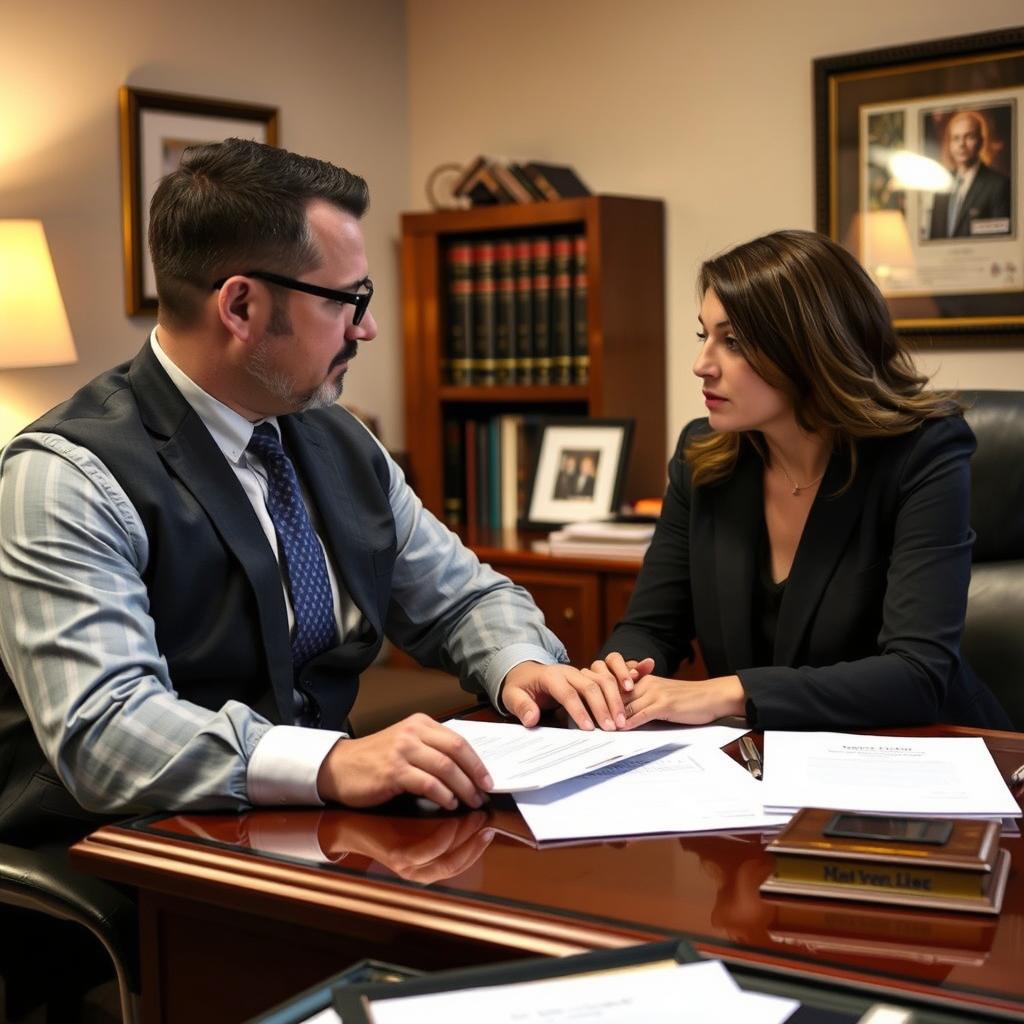
Estate Planning Lawyer Fairfax County
Planning for the future requires careful attention to both financial and personal considerations. For individuals and families in Fairfax County, Virginia, creating an estate plan involves more than drafting a will—it encompasses asset protection, incapacity planning, guardianship designations for minor children, and strategies to minimize probate complications. Mr. Sris and his Of Counsel attorneys at Law Offices Of SRIS, P.C. Concentrate their practice in estate planning, guiding clients through the preparation of wills, trusts, powers of attorney, and advance medical directives. Reach Law Offices Of SRIS, P.C. at (888) 437-7747 to request a consultation about your Fairfax County estate planning matter. Law Offices Of SRIS, P.C. – Advocacy Without Borders.
What Estate Planning Means in Fairfax County
Estate planning in Fairfax County is shaped by Virginia law and the procedures of the Fairfax County Circuit Court. The Circuit Court’s Probate Division handles will admissions, estate administrations, and adult guardianship and conservatorship petitions under Title 64.2 of the Virginia Code. Because the county is within the Northern Virginia region, many clients hold real estate in multiple jurisdictions, hold business interests registered with the State Corporation Commission, or have retirement assets governed by federal ERISA rules. A well‑structured plan coordinates these components and addresses Virginia’s statutory framework, including the elective share, the augmented estate, and default intestacy succession.
Virginia law distinguishes between a guardian of the person and a conservator of the estate. A guardian makes personal and healthcare decisions for an incapacitated adult, while a conservator manages property and financial affairs. Both appointments proceed through the Circuit Court. By addressing these roles in advance through a durable power of attorney and an advance medical directive, a person can often reduce the likelihood of a contested court proceeding. Mr. Sris and his Of Counsel work with Fairfax County clients to build plans that fit the specific dynamics of their family and the regulatory environment in the Commonwealth.
In addition to wills and trusts, estate planning in Fairfax County often includes provisions for digital assets and business succession. The Virginia Fiduciary Access to Digital Assets Act provides a framework for granting access to online accounts and electronic records. For business owners, coordinating a buy‑sell agreement or operating‑agreement provisions with the overall estate plan is essential. Law Offices Of SRIS, P.C. handles the full range of estate planning matters in Fairfax County from its established practice, maintaining a focus on practical, enforceable documents.
How Mr. Sris and His Of Counsel Handle Estate Planning Cases
Mr. Sris and his Of Counsel take a comprehensive, facts‑based approach to estate planning. The process begins with a detailed consultation to understand the client’s family structure, assets, long‑term goals, and any concerns about incapacity or beneficiary conflicts. The attorneys then design a plan that may include a pour‑over will, one or more trusts, a general durable power of attorney, an advance medical directive, and accompanying transfer documents for assets not passing by beneficiary designation. Throughout, the team focuses on clarity, enforceability under Virginia law, and flexibility to adjust as circumstances change.
After the documents are drafted, the firm coordinates the execution with the formalities required by the Virginia Code. For a will to be valid, it must be signed by the testator in the presence of two competent witnesses. A notary is not required for a will under Virginia law, but including a self‑proving affidavit is common practice. Trusts may require registration with the commissioner of accounts in certain circumstances, and the firm advises on those requirements as part of the overall administration plan. Mr. Sris and his Of Counsel also assist with funding trusts—transferring real estate, bank accounts, or business interests into the trust—so that the plan operates effectively from the outset.
Once the estate plan is in place, the firm advises on periodic review, particularly after major life events such as marriage, divorce, the birth of a child, or a significant change in assets. Mr. Sris and his Of Counsel remain available to update documents as Virginia statutes evolve, such as changes to the elective‑share calculation or the Uniform Trust Code provisions. Because the firm brings extensive combined legal experience between Mr. Sris and his Of Counsel, clients benefit from practical guidance that has been tested in the Fairfax County probate and guardianship dockets.
About Mr. Sris and His Of Counsel Team
Mr. Sris, Owner and Founder of Law Offices Of SRIS, P.C., is a former prosecutor admitted to practice in Virginia, Maryland, the District of Columbia, New Jersey, and New York. He has concentrated his practice on estate planning and related civil matters since founding the firm in 1997. Mr. Sris testified before the Virginia House Courts of Justice Committee in support of 2019 HB 635 (chief patron Del. David Bulova). In his estate planning work, he draws on decades of experience handling complex family and property matters to craft plans that address both present needs and future contingencies.
The firm’s Of Counsel attorneys bring additional perspectives and legal experience to every Fairfax County estate planning matter. The combined experience of Mr. Sris and his Of Counsel enhances the firm’s ability to address tax implications, real estate transfers, business‑succession considerations, and cross‑jurisdictional issues when clients hold property in multiple states. The team works collaboratively, reviewing each plan thoroughly before it is executed to confirm that it aligns with the client’s intentions and Virginia law. Results may vary.
Frequently Asked Questions
What is the difference between a will and a trust in Virginia estate planning?
A will takes effect only upon death and passes through probate, whereas a trust can operate during the grantor’s lifetime and after death, often avoiding probate. Under Virginia law, a will must be admitted to the Circuit Court and administered by an executor. A trust is a fiduciary arrangement managed by a trustee according to the trust instrument. Both tools can distribute assets, but a trust may offer privacy and the potential to avoid the court‑supervised probate process. Which instrument is appropriate depends on the size of the estate, the nature of the assets, and the client’s goals.
Do I need a lawyer to create an estate plan in Fairfax County?
Virginia law does not require a lawyer to draft a will or trust, but legal guidance helps ensure the documents are valid, properly executed, and tailored to your circumstances. Self‑prepared estate planning documents can create ambiguities, miss statutory requirements, or fail to address tax and asset‑titling issues. Mr. Sris and his Of Counsel review each client’s situation and prepare a comprehensive plan that complies with Virginia law and the procedures of the Fairfax County Circuit Court. Reach Law Offices Of SRIS, P.C. at (888) 437-7747 to request a consultation.
How does probate work in Fairfax County, Virginia?
Probate in Fairfax County is handled by the Circuit Court’s Probate Division, which oversees the admission of wills, qualification of executors, and administration of estates. The executor files the original will and a certified death certificate; the court then issues letters testamentary or administration. The executor must inventory the estate, pay debts and taxes, and distribute assets according to the will. The timeline depends on the complexity of the estate and the court’s calendar. Proper estate planning can often reduce the assets subject to probate, streamlining the process for beneficiaries.
What is the role of a guardian and a conservator in Virginia?
In Virginia, a guardian makes personal and healthcare decisions for an incapacitated adult, while a conservator manages the incapacitated adult’s property and financial affairs. Appointments are made by the Circuit Court under Virginia Code § 64.2‑2000 et seq. The court evaluates medical evidence and may appoint a guardian ad litem to represent the respondent’s interests. By executing a durable power of attorney and an advance medical directive while competent, an individual can often avoid the need for a court‑appointed guardian or conservator.
Can an estate plan help avoid family disputes after my death?
A clear, professionally drafted estate plan that addresses potential points of conflict can significantly reduce the likelihood of family disputes. Ambiguities in a will, unequal treatment of beneficiaries, and unclear instructions regarding personal property often lead to litigation in the Fairfax County Circuit Court. Mr. Sris and his Of Counsel work with clients to draft precise documents, include no‑contest clauses where appropriate, and facilitate family discussions during the planning process to minimize misunderstandings. While no plan can guarantee a dispute‑free outcome, thorough preparation is an appropriate approach.
How often should an estate plan be updated?
An estate plan should be reviewed at least every three to five years, and after any major life event such as marriage, divorce, the birth of a child, or a significant change in assets. Virginia statutes and tax laws can also change, affecting provisions like the elective share or the treatment of certain trusts. Mr. Sris and his Of Counsel advise clients on the appropriate review schedule and update documents as needed to maintain their validity and alignment with current circumstances. A periodic review can prevent an outdated plan from experienced to unintended results.
Related pages:
Wills and Trusts Lawyer Fairfax
Probate Lawyer Fairfax County
Power of Attorney Lawyer Fairfax
Attorney advertising. Prior results do not guarantee a similar outcome.
Results may vary.
Case results depend on a variety of factors unique to each case.