
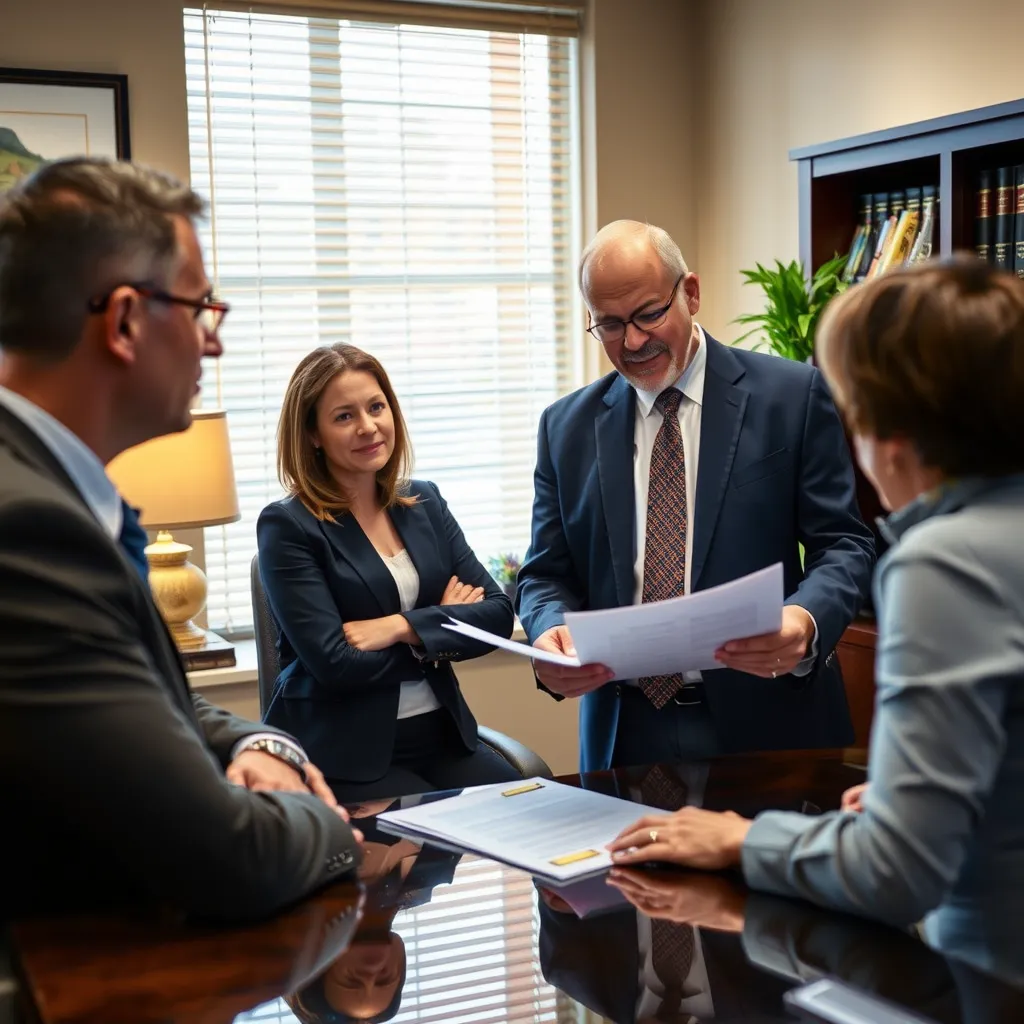
Divorce Lawyer Fairfax VA
If you are facing the prospect of ending a marriage in Fairfax County, you want a lawyer who understands Virginia’s divorce process and can represent your interests effectively. Mr. Sris and the firm’s Of Counsel attorneys at Law Offices Of SRIS, P.C. Regularly handle divorce matters in the Fairfax County Circuit Court and across the Commonwealth. Whether your case is uncontested or involves disputed property, spousal support, or child-related issues, we approach each matter with a practical focus on reaching a resolution that protects your future. This page outlines what divorce in Fairfax involves, how we guide clients through the legal steps, and answers the questions people commonly ask when they begin this process. To discuss your situation, contact Law Offices Of SRIS, P.C. at (888) 437-7747 to schedule a consultation at our Fairfax location.
What Divorce Means in Fairfax, Virginia
Divorce in Virginia is governed by Title 20 of the Virginia Code. Cases are heard in the circuit court of the county where the spouses last lived together; for Fairfax residents, that is the Fairfax County Circuit Court. Virginia allows both no‑fault and fault‑based grounds. No‑fault divorce requires the parties to have lived separate and apart for a continuous period prescribed by statute, without cohabitation, and with at least one spouse intending that the separation be permanent. Fault grounds include adultery, cruelty, willful desertion, and conviction of a felony resulting in confinement for more than one year. The availability of fault grounds can affect issues such as spousal support and property division, but the court ultimately considers a wide range of factors to reach an equitable result.
Fairfax County, with its population approaching 1.2 million residents, handles a significant volume of domestic relations filings each year. The county’s demographic and economic diversity means that the issues in divorce cases vary considerably—from straightforward uncontested dissolutions to complex matters involving business assets, retirement accounts, and custody of school‑age children. Because the Fairfax County Circuit Court judges and commissioners have extensive experience with family law, parties benefit from having counsel who is familiar with the local procedures, scheduling practices, and judicial expectations. Mr. Sris and the firm’s Of Counsel attorneys have appeared in the Fairfax County Circuit Court for divorce and related family matters, and we understand how the court approaches equitable distribution, support determinations, and the resolution of contested issues.
How Mr. Sris and the Firm’s Of Counsel Attorneys Handle Divorce Cases
Our approach to each Fairfax divorce begins with a thorough evaluation of the client’s goals and the relevant facts. We identify whether the matter is likely to be resolved by mutual agreement or will require contested litigation. For uncontested cases, we prepare a comprehensive property settlement agreement, negotiate its terms with the other side or their attorney, and guide the client through depositions and final hearing requirements. In contested cases, we develop a litigation strategy that addresses each of the core issues—grounds, equitable distribution, spousal support, child custody and visitation, and child support—in a coordinated way. We also advise on protective orders and emergency relief when needed.
Throughout the process, we focus on helping clients understand what to expect at each stage, from the filing of the Complaint to the final decree. We communicate about the substantive law that applies to their circumstances, the procedural steps the court requires, and the likely timeframes—without making predictions that depend on factors outside our control. Because Virginia is an equitable‑distribution state, we gather and analyze financial documentation, work with valuation professionals when necessary, and advocate for a division of marital assets and debts that is fair under the statutory factors. We also give careful attention to the tax and retirement‑plan consequences of divorce, which can be significant for Fairfax professionals and federal employees.
About Mr. Sris and the Firm’s Of Counsel Attorneys
Mr. Sris, Owner and Founder of Law Offices Of SRIS, P.C., has represented individuals in family and civil matters since the firm was founded in 1997. He is a former prosecutor with experience in criminal trial work, a background that strengthens his ability to litigate contested divorce issues when necessary. Mr. Sris testified before the Virginia House Courts of Justice Committee in support of 2019 HB 635 (chief patron Del. David Bulova), demonstrating his engagement with legal developments that affect Virginians. He works alongside the firm’s Of Counsel attorneys, who are independent, non‑employee counsel with their own areas of legal experience. Together, Mr. Sris and the firm’s Of Counsel attorneys draw on extensive combined legal experience to serve clients throughout Virginia, Maryland, the District of Columbia, New Jersey, and New York. Results may vary.
While the firm’s Of Counsel attorneys are not employees, they practice as Of Counsel to Law Offices Of SRIS, P.C. and contribute to the depth of service the firm offers. The entire team is available to Fairfax County clients at the firm’s Fairfax location. Reach Law Offices Of SRIS, P.C. at (888) 437-7747 to request a consultation.
Frequently Asked Questions
What are the grounds for divorce in Virginia?
Virginia recognizes both no‑fault and fault‑based grounds for divorce. No‑fault divorce requires the parties to live separate and apart for a continuous period without cohabitation. Fault grounds include adultery, cruelty, willful desertion, and conviction of a felony. The ground on which you proceed can affect the court’s decisions on spousal support and property division. An attorney can help you evaluate which ground is appropriate for your situation.
How long does a divorce take in Fairfax County?
The time needed to finalize a divorce in Fairfax County depends on whether the case is contested and on the court’s calendar. Uncontested divorces that are fully agreed can move through the system more quickly once the statutory waiting periods have been met. Contested cases, however, may involve discovery, motions, hearings, and a trial, all of which extend the timeline. The specific schedule is set by the court and varies from case to case.
Do I need a lawyer for a divorce in Fairfax?
While you are not legally required to hire an attorney, having counsel familiar with Virginia divorce law and the Fairfax County Circuit Court is often essential to protect your rights. Divorce involves property division, support obligations, and sometimes custody, each of which carries long‑term consequences. An attorney can negotiate a settlement, handle the required filings, and present your case effectively if the matter goes to court.
What is equitable distribution in Virginia?
Equitable distribution means the court divides marital property and debts fairly, but not necessarily equally. Virginia law lists factors the judge considers, including each spouse’s contributions, the duration of the marriage, and the tax consequences of the division. The court distinguishes between marital property (acquired during the marriage) and separate property (owned before marriage or received by gift or inheritance). An experienced divorce attorney can help you identify and value the marital assets involved.
Can I get spousal support after my Fairfax divorce?
Spousal support, formerly called alimony, may be awarded if one spouse demonstrates a need and the other has the ability to pay. The court examines factors such as the standard of living during the marriage, the length of the marriage, the age and health of each party, and the financial resources available to each. Support can be temporary (pendente lite) or permanent, and the amount and duration are decided based on the specific facts of the case.
How do I start the divorce process in Fairfax County?
You begin by filing a Complaint for divorce in the Fairfax County Circuit Court. The Complaint sets out the ground for divorce and the relief you are seeking, such as property division, support, and custody. Service of the Complaint on your spouse then gives them an opportunity to respond. An attorney can prepare and file all necessary documents and guide you through the initial steps, including temporary relief if immediate support or protective orders are needed.
Related Legal Services in Fairfax
Child Custody Lawyer Fairfax VA •
Spousal Support Attorney Fairfax VA •
Property Division Lawyer Fairfax VA •
Protective Order Attorney Fairfax VA •
Family Law Attorney Fairfax VA
Additional Resources
For further statutory reference, you may consult the
Virginia Code Title 20 – Domestic Relations.
Information about the Fairfax County Circuit Court, including dockets and local rules, can be found at the
Fairfax County Circuit Court website.
Attorney advertising. Prior results do not guarantee a similar outcome. Results may vary.
Case results depend on a variety of factors unique to each case.