
Note: This article is confirmed by Law Offices Of SRIS, P.C.
AUTHOR BIO:WRITTEN BY
Since 1997, Mr. Sris has led the firm, focusing on the most challenging criminal and family law cases. His background in accounting and information management aids in financial and technology-related cases. Involved in significant legislative changes in Virginia. My focus since founding the firm in 1997 has always been directed towards personally handling the most challenging and involved criminal and family law matters our clients face.
Paralysis Injury Lawyer Caroline, MD
What is a Paralysis Injury Lawyer
A paralysis injury lawyer focuses on legal matters related to spinal cord injuries that cause partial or complete loss of function. These injuries often result from traumatic events such as vehicle collisions, falls, or medical procedures. The lawyer’s role begins with evaluating the circumstances that led to the injury. They examine accident reports, medical documentation, and witness statements to establish what happened.
Legal representation in these cases involves several key steps. First, the attorney identifies all potentially responsible parties. This could include drivers, property owners, medical providers, or manufacturers of defective products. Next, they calculate the full scope of damages. This includes current medical bills, projected future medical needs, lost income, and pain and suffering. The attorney also considers costs for home modifications, assistive devices, and ongoing care.
Developing effective legal arguments requires thorough preparation. The lawyer gathers evidence to demonstrate how the injury occurred and who bears responsibility. They work with medical attorneys to document the extent of the paralysis and its impact on daily life. This medical evidence forms the foundation of the case, showing the need for compensation to cover lifelong expenses.
Professional insight into these cases reveals important considerations. Each paralysis case presents unique challenges based on the injury’s location and severity. Lawyers must understand both the medical terminology and the legal standards for proving negligence. They also need to be aware of insurance policy limits and state laws affecting compensation. Successful representation requires persistence in seeking fair settlements or pursuing litigation when necessary.
How to Choose a Spinal Cord Injury Lawyer
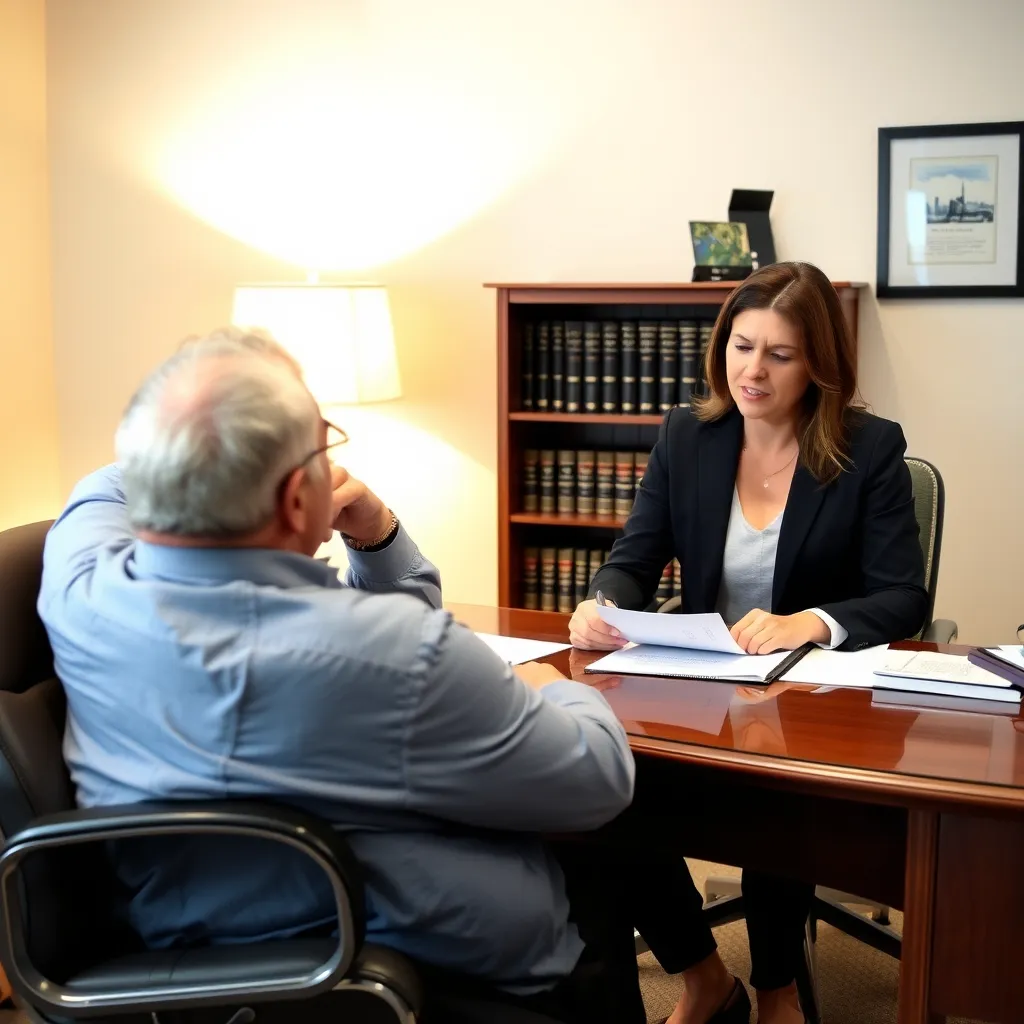
Choosing the right spinal cord injury lawyer requires careful consideration of several factors. Start by examining the attorney’s background in handling paralysis cases. Look for lawyers who regularly work with spinal cord injury clients rather than those who handle such cases occasionally. Experience with similar injuries provides valuable insight into medical issues and potential compensation amounts.
The selection process should include reviewing the lawyer’s approach to case management. Ask about their strategy for gathering medical evidence and working with attorneys. Inquire about their success in obtaining settlements or verdicts for paralysis clients. Understanding how they calculate damages is important, as paralysis cases often involve substantial future medical costs and life care expenses.
Effective legal representation depends on the attorney’s resources and network. A qualified spinal cord injury lawyer should have relationships with medical attorneys who can testify about the injury’s impact. They need access to vocational rehabilitation attorneys, life care planners, and economists who can project future costs. These resources help build a comprehensive case that accurately reflects the client’s needs.
Professional guidance in selecting legal help emphasizes practical considerations. Meet with potential attorneys to assess their communication style and responsiveness. Discuss fee structures and any upfront costs. Ensure the lawyer explains the legal process clearly and sets realistic expectations about timelines and possible outcomes. The attorney-client relationship in paralysis cases often lasts years, so compatibility matters.
Can I Afford Legal Help for Paralysis Cases
The financial aspect of hiring legal representation for paralysis cases concerns many potential clients. Fortunately, most paralysis injury lawyers operate on a contingency fee arrangement. Under this system, the attorney receives payment only if they secure compensation for the client. The fee is typically a percentage of the recovery amount, agreed upon in advance. This approach aligns the lawyer’s interests with the client’s success.
Understanding fee structures helps clarify affordability. Contingency fees eliminate the need for upfront payments, which is particularly helpful for clients facing medical expenses and lost income. The attorney assumes the financial risk of the case, covering costs such as medical record retrieval, attorney witness fees, and court filing expenses. These costs are later reimbursed from the settlement or award before calculating the attorney’s percentage.
Managing case expenses requires transparency between attorney and client. Reputable lawyers provide written fee agreements detailing the percentage rate and how expenses will be handled. They should explain what happens if the case doesn’t result in compensation—typically, the client owes nothing for attorney fees, though some expense arrangements may vary. Clear communication about financial matters prevents misunderstandings later.
Professional perspective on legal costs emphasizes value over price. While contingency fees may seem substantial, they reflect the attorney’s investment of time, resources, and experienced lawyer. Paralysis cases often involve involved litigation requiring significant work over extended periods. The right attorney can secure compensation that far exceeds what an individual might obtain without legal representation, making the fee arrangement worthwhile.
Why Hire Legal Representation for Spinal Cord Injuries
Obtaining legal representation for spinal cord injuries offers significant benefits throughout the claims process. Attorneys bring knowledge of medical issues related to paralysis and how to present them effectively. They understand the long-term implications of spinal cord injuries, including ongoing medical care, rehabilitation needs, and necessary lifestyle adaptations. This comprehensive understanding helps ensure all relevant damages are included in the claim.
The legal process for paralysis cases involves multiple steps that benefit from professional handling. Attorneys conduct thorough investigations to establish liability, gathering evidence from accident scenes, medical records, and attorney opinions. They calculate damages accurately, considering both current expenses and future needs. This includes projecting costs for medical equipment, home modifications, assisted living, and lost earning capacity over the injured person’s lifetime.
Managing insurance claims requires specific skills that attorneys provide. Insurance companies often attempt to minimize payouts, especially in involved cases involving substantial future costs. Lawyers experienced in paralysis cases know how to counter these tactics. They prepare compelling demand packages, negotiate effectively, and are prepared to litigate when settlements don’t reflect the claim’s true value. This advocacy helps secure adequate compensation.
Professional assistance brings strategic advantages to paralysis cases. Attorneys coordinate with medical attorneys, vocational attorneys, and economists to build strong evidence. They handle procedural requirements, meet filing deadlines, and handle court rules if litigation becomes necessary. Perhaps most importantly, they provide emotional support and clear guidance during a challenging time, allowing clients to concentrate on rehabilitation and adjustment.
FAQ:
What causes most paralysis injuries in Caroline County?
Vehicle accidents, falls, and medical incidents are common causes. Workplace injuries and sports accidents also contribute to spinal cord damage in the area.
How long do paralysis injury cases typically take?
These cases often require 1-3 years depending on challenge. Settlement negotiations or court proceedings extend the timeline for thorough resolution.
What compensation can I seek for a paralysis injury?
You can seek medical costs, lost income, pain suffering, and future care expenses. Home modifications and assistive equipment costs are also recoverable.
Do I need to go to court for a paralysis case?
Many cases settle without court proceedings through negotiation. However, preparation for possible litigation is always part of the process.
What evidence is important for paralysis cases?
Medical records, accident reports, witness statements, and attorney opinions are vital. Documentation of current and future care needs strengthens the case.
How are future medical costs calculated?
Life care planners and medical attorneys project ongoing expenses. They consider rehabilitation, equipment, medications, and assistance needs over time.
Can I still work with a paralysis injury?
Vocational attorneys assess employment possibilities after injury. Some individuals return to work with accommodations while others pursue disability benefits.
What if multiple parties caused my injury?
Attorneys identify all potentially responsible parties for contribution. Maryland law allows recovery from multiple sources when liability is shared.
How soon should I contact a lawyer after injury?
Contact legal help as soon as medically possible after stabilization. Early involvement helps preserve evidence and meet filing deadlines.
What if the injury happened at work?
Workers’ compensation claims and third-party lawsuits may both apply. An attorney can evaluate all available avenues for recovery.
Are there time limits for filing paralysis claims?
Maryland has statutes of limitations for personal injury claims. These deadlines vary based on the case type and circumstances involved.
What questions should I ask a potential lawyer?
Ask about their experience with paralysis cases, fee structure, and communication approach. Inquire about their strategy for your specific situation.
Past results do not predict future outcomes