
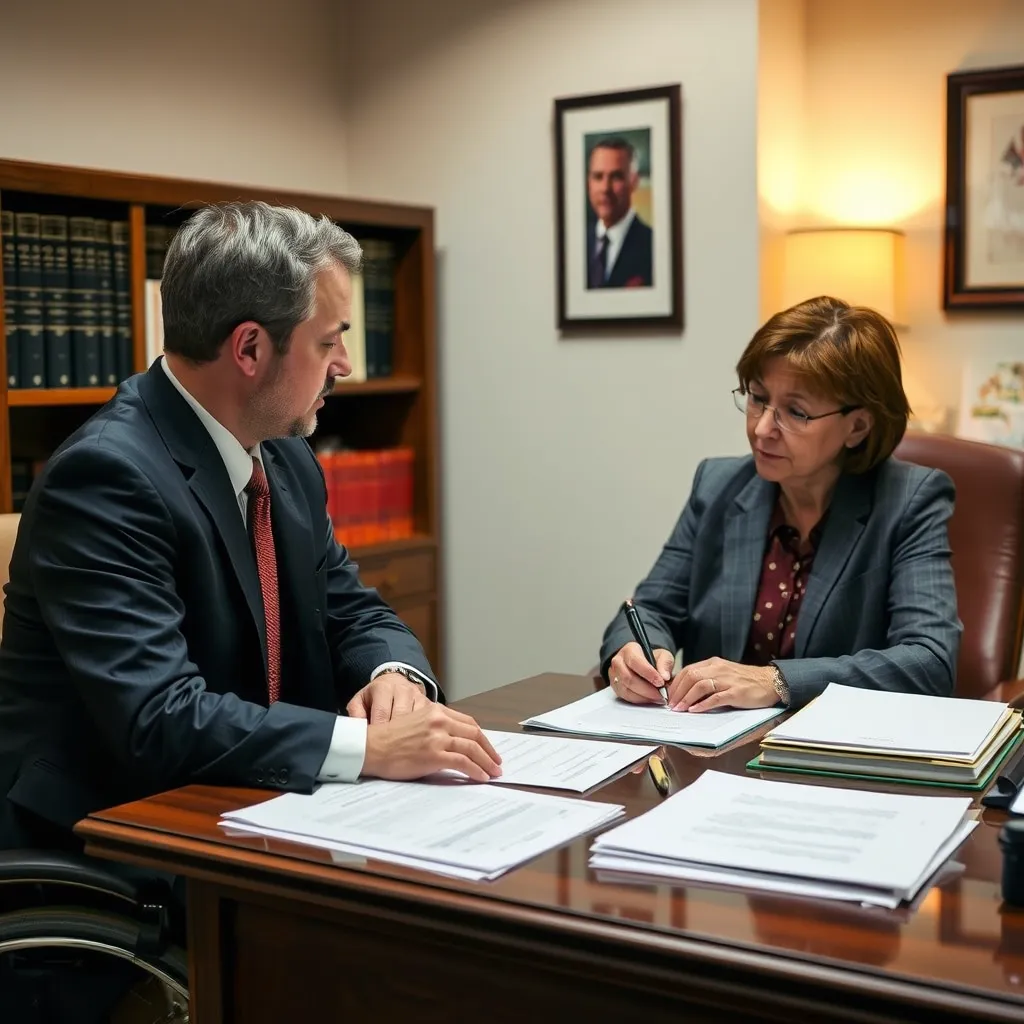
Note: This article is confirmed by Law Offices Of SRIS, P.C.
WRITTEN BY: Mr. Sris
Since 1997, Mr. Sris has led the firm, focusing on the most challenging criminal and family law cases… His background in accounting and information management aids in financial and technology-related cases… Involved in significant legislative changes in Virginia.
Insight: My focus since founding the firm in 1997 has always been directed towards personally handling the most challenging and involved criminal and family law matters our clients face.
Insight: I find my background in accounting and information management provides a unique advantage when handling the intricate financial and technological aspects inherent in many modern legal cases.
Insight: As someone deeply involved in the community, I believe it’s important to not only practice law but also to actively participate in shaping it, which is why I dedicated effort towards amending Virginia Code § 20-107.3 and achieving state recognition for cultural milestones.
Nursing Home Neglect Lawyer College Park, MD
What is nursing home neglect
Nursing home neglect involves failures by care facilities to provide adequate attention and services to residents. This can manifest in various ways, including medical neglect where necessary treatments are not administered, personal care neglect where hygiene and daily living assistance are lacking, and environmental neglect where living conditions become unsafe. These failures often result from understaffing, inadequate training, or poor facility management.
Recognizing neglect requires understanding common indicators. Physical signs may include unexplained injuries, bed sores, weight loss, or poor hygiene. Behavioral changes like increased anxiety, withdrawal, or fear around staff members can also signal problems. Environmental red flags include unclean living spaces, unsafe conditions, or lack of necessary medical equipment.
Legal definitions of neglect vary by jurisdiction but generally involve breaches of duty of care. Facilities have obligations to provide reasonable care based on established standards. When these standards are not met, legal recourse becomes available. Documentation plays a vital role in establishing neglect cases, including medical records, facility reports, and witness statements.
Addressing neglect involves understanding resident rights and facility responsibilities. Federal and state regulations establish minimum care standards. Facilities must comply with these requirements to maintain licensing and operation approvals. When violations occur, regulatory agencies may intervene, but legal action often provides the most direct path to resolution and compensation.
Real-Talk Aside: Many families hesitate to question care facilities, but neglect can develop gradually. Regular visits and attention to changes in your loved one’s condition are important.
How to address nursing home neglect concerns
Addressing nursing home neglect requires systematic steps to protect residents and gather evidence. Begin by documenting all observations thoroughly. Keep detailed notes of dates, times, specific incidents, and any concerning changes in your loved one’s condition. Photographs can provide visual evidence of injuries or poor living conditions. Medical records should be reviewed for patterns of inadequate care or untreated conditions.
Communication with facility staff represents the next step. Schedule meetings with nursing supervisors, administrators, or directors of nursing. Present your concerns clearly and request specific action plans. Document all conversations, including names, positions, dates, and responses received. Many facilities have grievance procedures that should be followed according to their established protocols.
Regulatory oversight provides another avenue for addressing concerns. Contact state licensing agencies responsible for nursing home oversight. In Maryland, the Office of Health Care Quality handles complaints about care facilities. These agencies can conduct investigations and impose sanctions if violations are found. Federal agencies like the Centers for Medicare & Medicaid Services also oversee facilities participating in these programs.
Legal consultation becomes important when other approaches prove insufficient. An attorney can review your documentation, assess potential claims, and explain available legal options. They can help determine whether neglect meets legal standards for action and what remedies might be available. Legal professionals understand the specific regulations governing care facilities and can handle the complaint and litigation processes effectively.
Real-Talk Aside: Documentation matters more than emotions in these situations. Keep factual records rather than relying on memory or general complaints.
Can I pursue legal action for nursing home neglect
Pursuing legal action for nursing home neglect depends on several factors that determine whether a valid claim exists. The foundation requires establishing that the facility owed a duty of care to the resident, breached that duty through neglectful actions or omissions, and that this breach caused actual harm. Harm can include physical injuries, medical complications, emotional distress, or financial losses related to inadequate care.
Evidence collection represents a important component of potential legal action. Medical records documenting injuries or worsening conditions provide important documentation. Facility records including care plans, staffing logs, and incident reports can reveal patterns of neglect. Witness statements from other residents, family members, or staff members may support claims. Photographic evidence of injuries or poor conditions adds visual documentation to written records.
Legal standards vary by jurisdiction but generally require demonstrating that the facility failed to meet accepted care standards. These standards may be established through state regulations, facility policies, or general professional expectations for nursing care. The severity and duration of neglect often influence whether legal action is appropriate and what remedies might be available.
Remedies through legal action can include compensation for medical expenses, pain and suffering, and in some cases, punitive damages designed to punish particularly egregious conduct. Legal proceedings may also result in court orders requiring facility improvements or changes in care practices. Settlement negotiations often occur before trial, with many cases resolving through agreed-upon terms rather than court decisions.
Real-Talk Aside: Not every care deficiency qualifies for legal action. The harm must be significant and directly linked to facility failures rather than general aging or pre-existing conditions.
Why hire legal help for nursing home neglect cases
Hiring legal help for nursing home neglect cases provides several advantages that support both the resident and their family. Legal professionals understand the specific regulations governing care facilities and can identify violations that may not be apparent to families. They know how to gather and organize evidence effectively, ensuring documentation meets legal standards for potential claims. This includes obtaining medical records, facility documents, and witness statements through proper channels.
Communication with care facilities often becomes more effective with legal representation. Attorneys can frame concerns in terms of legal obligations and potential consequences, which may prompt more serious attention from facility management. They understand negotiation strategies and can advocate for immediate improvements in care while longer-term resolutions are pursued. Legal professionals also know when to involve regulatory agencies and how to coordinate multiple approaches to addressing neglect.
Legal processes involve specific procedures and deadlines that professionals can manage efficiently. Filing requirements, documentation standards, and court protocols require careful attention to detail. Missing deadlines or failing to follow proper procedures can jeopardize potential claims. Legal help ensures all aspects of the process receive appropriate attention while allowing families to focus on supporting their loved ones.
Developing effective legal arguments requires understanding both the facts of individual cases and broader legal principles. Attorneys can assess the strength of evidence, identify the most appropriate legal theories, and determine realistic expectations for outcomes. They can explain options clearly, helping families make informed decisions about whether to pursue legal action and what approaches might be most effective for their specific situation.
Real-Talk Aside: Legal help doesn’t guarantee specific outcomes, but it does ensure proper handling of processes that most families aren’t equipped to manage alone.
FAQ:
What are common signs of nursing home neglect?
Physical signs include bed sores, weight loss, poor hygiene, and unexplained injuries. Behavioral changes and unsafe living conditions also indicate potential problems.
How quickly should I act if I suspect neglect?
Document concerns immediately and address them with facility staff. Early intervention can prevent further harm and preserve evidence for potential legal action.
What documentation should I collect?
Keep detailed notes of observations, photographs of conditions, medical records, and records of communications with facility staff and management.
Can I move my loved one to another facility?
Yes, relocation may be possible depending on availability and care needs. Legal help can address contractual obligations with the current facility.
What costs are involved in legal action?
Many attorneys work on contingency fees for neglect cases, meaning they receive payment only if compensation is obtained through settlement or judgment.
How long do neglect cases typically take?
Timelines vary based on case challenge, evidence availability, and whether settlement occurs. Some cases resolve in months while others may take longer.
What if the facility denies neglect occurred?
Evidence collection becomes particularly important when facilities dispute claims. Medical records, witness statements, and documentation patterns can support allegations.
Can family members be involved in legal proceedings?
Yes, family members often participate as representatives or witnesses. Legal professionals can explain appropriate roles and involvement levels.
What regulatory agencies oversee nursing homes?
State licensing agencies and federal programs like Medicare/Medicaid provide oversight. Complaints can be filed with these organizations independently or alongside legal action.
Are there alternatives to lawsuits for addressing neglect?
Yes, mediation, facility improvement plans, and regulatory interventions may resolve some situations without formal litigation, depending on circumstances.
What if neglect resulted in serious injury or death?
More severe outcomes may involve different legal considerations and potential claims. Legal consultation helps determine appropriate approaches for these situations.
How can I protect my loved one during legal proceedings?
Continue regular visits, monitor care quality, and maintain open communication with facility staff about ongoing concerns and needed improvements.
Past results do not predict future outcomes