
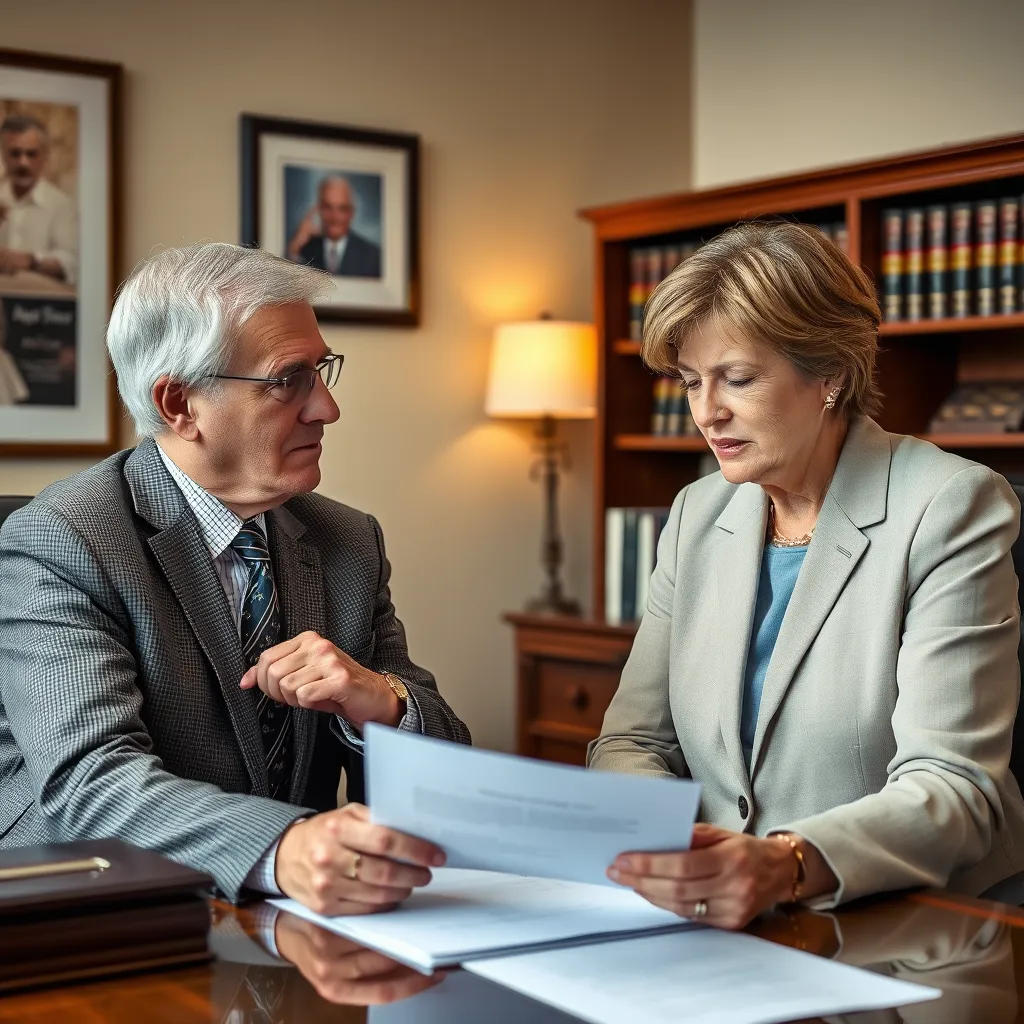
Note: This article is confirmed by Law Offices Of SRIS, P.C.
WRITTEN BY: Mr. Sris
Since 1997, Mr. Sris has led the firm, focusing on the most challenging criminal and family law cases… His background in accounting and information management aids in financial and technology-related cases… Involved in significant legislative changes in Virginia.
Insight: My focus since founding the firm in 1997 has always been directed towards personally handling the most challenging and involved criminal and family law matters our clients face.
Insight: I find my background in accounting and information management provides a unique advantage when handling the intricate financial and technological aspects inherent in many modern legal cases.
Insight: As someone deeply involved in the community, I believe it’s important to not only practice law but also to actively participate in shaping it, which is why I dedicated effort towards amending Virginia Code § 20-107.3 and achieving state recognition for cultural milestones.
Nursing Home Neglect Lawyer Talbot, MD
What is Nursing Home Neglect in Talbot County
Nursing home neglect represents a failure by care facilities to meet established standards for resident wellbeing. In Talbot County, these standards are defined by Maryland regulations and facility agreements. Neglect can manifest in various forms, from medication errors to inadequate supervision. Medical neglect involves missed treatments or improper management of health conditions. Basic needs neglect includes insufficient food, water, or hygiene assistance. Emotional neglect occurs when residents experience isolation or lack of social engagement.
Identifying neglect requires attention to specific indicators. Physical signs might include unexplained injuries, weight loss, or poor personal hygiene. Environmental clues could be unsafe living conditions or inadequate staffing. Behavioral changes in residents often signal underlying problems. Documentation becomes vital when concerns arise. Families should record observations with dates and details. Photographic evidence can support claims about living conditions. Medical records provide objective data about health status changes.
Legal options depend on the nature and severity of neglect. Civil claims seek compensation for damages suffered. Regulatory complaints trigger facility inspections and potential sanctions. Criminal charges may apply in extreme cases of intentional harm. Professional legal guidance helps determine the appropriate approach. Each case requires individual assessment based on specific circumstances. Time limitations affect when claims must be filed. Evidence preservation ensures important information remains available.
Blunt Truth: Nursing home neglect often goes unreported because residents fear retaliation or families don’t recognize the signs until serious harm occurs.
How to Address Assisted Living Abuse in Talbot County
Assisted living abuse requires immediate and systematic response. The first step involves ensuring resident safety through appropriate protective measures. Documentation should begin immediately with detailed notes about observations and concerns. Photographic evidence of injuries or unsafe conditions provides visual support. Medical evaluations establish objective records of physical or psychological harm. Witness statements from staff, other residents, or visitors add perspective to the situation.
Reporting follows documentation according to established protocols. Facility management should receive formal complaints with supporting evidence. Maryland regulatory agencies investigate allegations of abuse or neglect. Law enforcement involvement may be necessary for criminal matters. Each reporting channel serves different purposes and triggers specific responses. Regulatory agencies focus on compliance with care standards. Law enforcement addresses potential criminal violations. Civil claims seek compensation for damages suffered.
Legal processes vary based on the type of abuse involved. Physical abuse cases might involve assault claims or negligence actions. Financial abuse requires tracing improper transactions and recovering assets. Emotional abuse claims address psychological harm and its consequences. Each category involves distinct legal theories and evidence requirements. Professional assessment determines which approaches apply to specific situations. Multiple legal avenues may be pursued simultaneously when appropriate.
Reality Check: Many families hesitate to report abuse because they worry about disrupting their loved one’s care or facing facility retaliation, but delay often allows problems to worsen.
Can I Pursue an Elderly Injury Claim in Talbot County
Elderly injury claims arise when care facilities fail to meet their responsibilities, resulting in harm to residents. These claims require establishing several legal elements. Duty of care exists between facilities and residents through contractual agreements and regulatory standards. Breach occurs when facilities fail to meet established care requirements. Causation connects the breach directly to the injury suffered. Damages represent the actual harm experienced by the resident.
Evidence collection forms the foundation of successful claims. Medical records document injuries and treatment requirements. Facility records show staffing levels, care plans, and incident reports. Witness statements provide additional perspectives on events. Photographic evidence captures physical conditions and injuries. attorney testimony may explain care standards and deviations from them. Each piece of evidence contributes to establishing liability and damages.
Legal strategies consider multiple factors in claim development. Liability theories might include negligence, premises liability, or regulatory violations. Damage calculations account for medical expenses, pain and suffering, and other losses. Settlement negotiations often occur before formal litigation. Trial preparation ensures readiness if settlement proves impossible. Each phase requires specific legal skills and strategic decisions.
Straight Talk: Elderly injury claims face challenges because facilities often have detailed documentation systems designed to protect themselves, making independent evidence gathering vital.
Why Hire Legal Help for Nursing Home Cases
Legal representation offers several advantages in nursing home cases. Regulatory knowledge helps interpret facility obligations under Maryland law. Claim experience guides strategy development based on similar situations. Negotiation skills facilitate discussions with facility representatives and insurers. Litigation readiness ensures preparedness if settlement proves impossible. Each aspect contributes to effective case management and optimal outcomes.
Professional guidance addresses common challenges families face. Evidence preservation ensures important information remains available. Deadline management prevents missed filing requirements. Communication handling reduces stress for families dealing with difficult situations. Resource access connects cases with appropriate medical and financial professionals. Strategic planning develops approaches tailored to specific circumstances and goals.
Legal support extends beyond immediate claim resolution. Regulatory compliance monitoring helps prevent future issues. Facility selection guidance assists with alternative care arrangements. Family education provides understanding of rights and responsibilities. Ongoing consultation addresses new concerns as they arise. Comprehensive assistance considers both legal and practical aspects of nursing home situations.
Blunt Truth: Facilities often have legal teams focused on minimizing liability, making professional representation essential for balancing the playing field in these cases.
FAQ:
What signs indicate nursing home neglect?
Signs include unexplained injuries, weight loss, poor hygiene, medication errors, and emotional withdrawal. Document observations with dates and details.
How do I report assisted living abuse in Maryland?
Report to facility management, Maryland Department of Health, and local law enforcement if needed. Provide documented evidence with your complaint.
What time limits apply to elderly injury claims?
Maryland generally allows three years from injury discovery to file claims. Specific situations may have different deadlines requiring legal review.
Can I access facility records for my loved one?
Yes, authorized representatives can request medical and care records. Facilities must provide access under privacy regulations with proper authorization.
What damages can be sought in neglect cases?
Damages may include medical costs, pain and suffering, and sometimes punitive amounts. Each case involves individual assessment of appropriate compensation.
How are nursing home cases investigated?
Investigations review medical records, facility documents, witness statements, and regulatory compliance. Independent assessments may be needed for involved situations.
What if my loved one cannot communicate about abuse?
Legal representatives can act on their behalf with proper authorization. Evidence from other sources helps establish what occurred.
Are settlements common in these cases?
Many cases resolve through settlement discussions. Litigation proceeds when agreements cannot be reached through negotiation.
What costs are involved in hiring an attorney?
Many attorneys work on contingency fees for these cases. Initial consultations typically involve no charge for case evaluation.
How long do nursing home cases typically take?
Timelines vary from months to years based on case challenge. Settlement discussions often resolve matters more quickly than litigation.
Can I change facilities during a legal case?
Yes, resident safety remains the priority throughout legal proceedings. Transfer arrangements can be made while cases continue.
What if multiple residents experienced similar issues?
Patterns of problems may indicate systemic facility issues. Group approaches might be appropriate in some situations.
Past results do not predict future outcomes